
The Scientific Research Behind STPP: Salt Tripolyphosphate in Detergents, Phosphates, and More
Sodium tripolyphosphate (STPP) enhances detergents through water softening, soil suspension, and pH buffering via its unique phosphate chemistry.
Sodium tripolyphosphate (STPP) enhances detergents through water softening, soil suspension, and pH buffering via its unique phosphate chemistry.
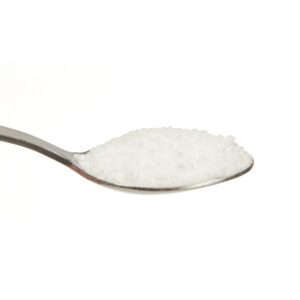
Sodium Tripolyphosphate (STPP) improves toothpaste performance by preventing tartar buildup, removing stains, and protecting tooth enamel.

Sodium tripolyphosphate (STPP) effectively softens water in detergents while serving as a preservative in food applications, demonstrating remarkable versatility.
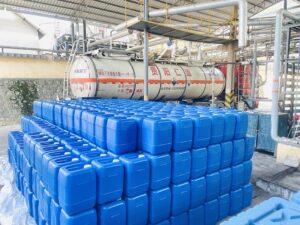
STPP (Sodium Tripolyphosphate) is a key detergent ingredient that enhances cleaning power by binding minerals, breaking down stains, and improving surfactant performance.
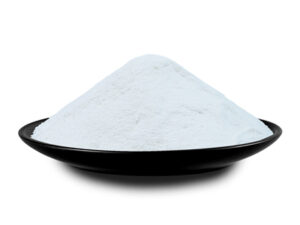
Sodium tripolyphosphate (STPP) is a widely used chemical in various industries, from detergents to food processing.
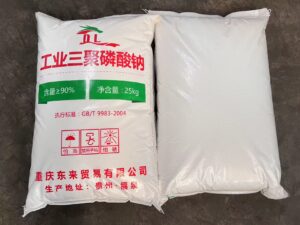
Sodium Tripolyphosphate (STPP): A detailed analysis of its chemical properties, industrial uses, and essential safety guidelines for handling and application.
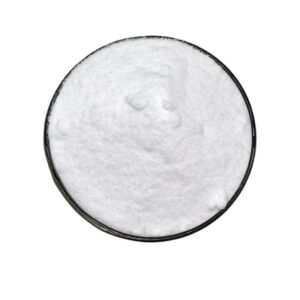
Sodium tripolyphosphate (STPP) is widely used as a food additive in processed foods—international authoritative organizations such as the FDA and WHO have recognized its safety. However, the Acceptable Daily Intake (ADI) standard must be followed, and consumers can make scientific choices by reading the ingredient list.

Global food-grade sodium tripolyphosphate (STPP) prices in Q4 2025 remain stable with slight increases driven by higher energy and logistics costs, while demand from meat and seafood processing sustains market balance.
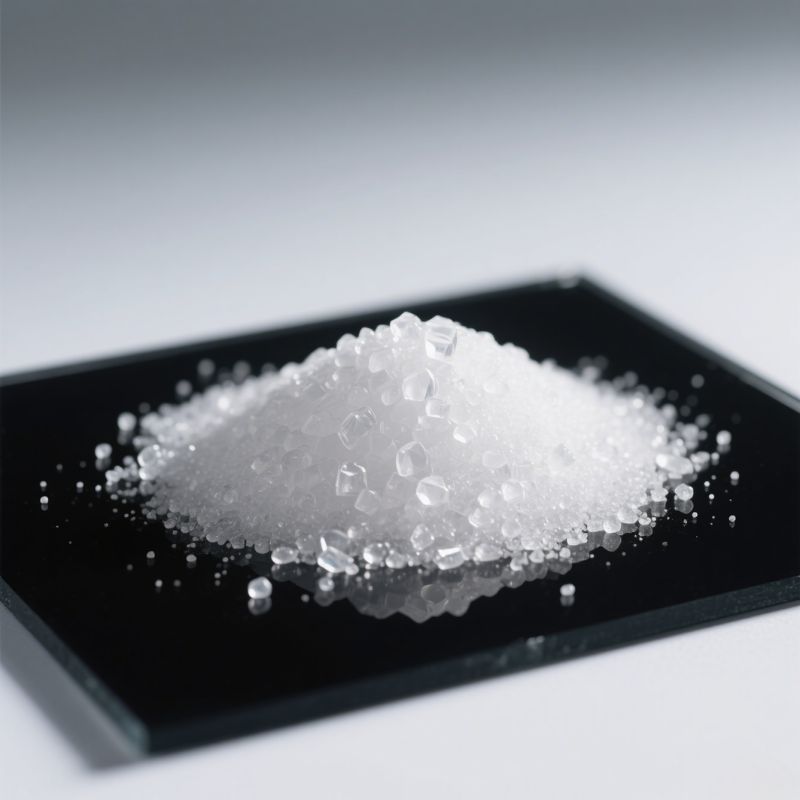
A professional and educational overview of tripolyphosphate (STPP), explaining its composition, manufacturing process, applications, safety profile, and sustainability trends.

This guide provides insights into the technological advances, regulatory frameworks, and cost factors affecting food and aquatic products, highlighting sustainability challenges and opportunities in 2025.
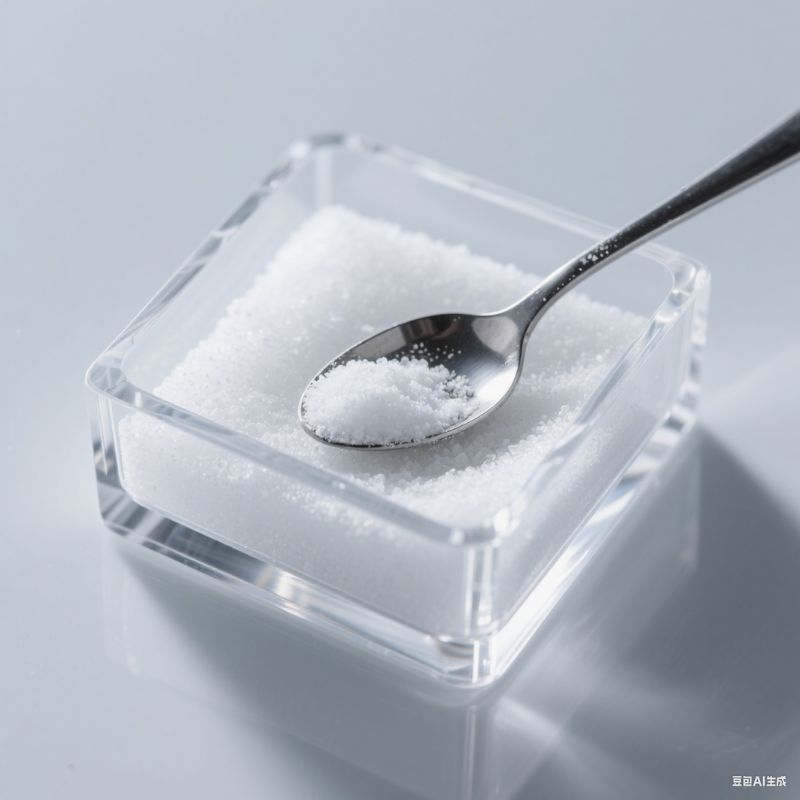
This guide covers the uses, benefits, risks, dosages, and health concerns of polyphosphates in food, with an overview of regulatory standards and emerging alternatives.