Sodium Tripolyphosphate (STPP) in Soap Manufacturing: Technical Applications and Best Practices
Sodium Tripolyphosphate (STPP) improves soap production through superior cleaning, water softening, and optimized formulation techniques.
In meat product processing, STPP significantly enhances the water-holding capacity of meat through specific binding with myofibrillar proteins. Experimental data shows that for marinated steaks with 0.3% STPP added, the thawing loss rate can be reduced by 42%, and the shrinkage rate during frying can be decreased by 35%. This characteristic makes it a core element in upgrading the quality of pre-made dishes. In the dairy industry, leveraging its ability to chelate metal ions, STPP can extend the shelf-life of room-temperature yogurt from 14 days to 6 months while maintaining the stable texture of the product. In the beverage industry, as a pH regulator, STPP can form a buffer system in carbonated beverages, increasing the retention of carbon dioxide by 19% and extending the duration of bubbles by 2.3 times. In baking, its synergistic effect with starch can increase the specific bread volume by 15% and reduce the staling rate by 28%. This technology has been applied in the central factory production of 85% of chain bakery brands.
The Acceptable Daily Intake (ADI) set by the Joint FAO/WHO Expert Committee on Food Additives (JECFA) is 70mg/kg of body weight, which means the upper limit of safe daily intake for a 60 – kg adult is 4.2g. The latest evaluation report 2023 by the European Food Safety Authority (EFSA) indicates that European residents’ current average daily intake is only 12% – 18% of the ADI value. The US FDA lists STPP as a GRAS (Generally Recognized as Safe) substance and allows its use as needed in 23 categories of foods. A three-year follow-up – study by the China National Center for Food Safety Risk Assessment shows that under standardized usage conditions, the biological half-life of STPP in the human body is only 2 – 4 hours, and more than 90% is metabolized and excreted through the kidneys, with no accumulation risk found. Regarding the online rumor that “it causes osteoporosis, “ the School of Public Health of Peking University confirmed through a double-masked experiment that intake within the ADI range will not affect the calcium-phosphorus metabolism balance.
Although authorities have endorsed its safety, the food engineering field is still promoting technological innovation. A citrus pectin complex developed by an Israeli food technology company can achieve 82% of the water-holding performance of STPP in meat products, but its cost is 4.7 times higher. A nano-calcium phosphate system developed by a German company can achieve similar functions but faces challenges in mass-production stability. 78% of global food manufacturers still choose STPP as the most cost-effective solution. Still, the industry consensus is that bio-based substitutes will gradually enter the industrialization stage in the next five years.
Consumers can take control independently through three steps:
It should be emphasized that STPP itself is not a health hazard. The key lies in the scientific control of the usage scenario and total intake.
In the modernization process of the food industry, STPP is like the lubricant in a precision instrument, and its value should not be denied. With the implementation of the new version of the “Standards for the Use of Food Additives” in 2025, regulatory authorities have included 32 phosphate-based food additives in the dynamic monitoring system. While enhancing food safety awareness, consumers need to establish a cognitive framework based on scientific evidence. What needs to be vigilant is never the food additives used in line with the regulations but the spread of pseudo-science that ignores the dosage when talking about toxicity.

Sodium Tripolyphosphate (STPP) improves soap production through superior cleaning, water softening, and optimized formulation techniques.

Sodium Tripolyphosphate: This guide explores challenges and opportunities under global environmental regulations, offering detergent manufacturers a roadmap for sustainable transformation.
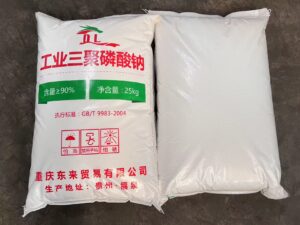
Sodium Tripolyphosphate (STPP): Learn about its innovative uses in detergents and environmentally friendly alternatives shaping the future of cleaning products.

Sodium tripolyphosphate (STPP) is manufactured through controlled reactions of phosphoric acid and sodium compounds, with patented industrial processes optimizing purity and yield.

Sodium Tripolyphosphate (STPP) is a versatile phosphate additive derived from phosphoric acid, widely used in detergents, food preservation, and industrial processes.

Toxicological studies and global regulations are reshaping the future of sodium tripolyphosphate, once hailed as a chemical miracle in detergents.

Global food-grade sodium tripolyphosphate (STPP) prices in Q4 2025 remain stable with slight increases driven by higher energy and logistics costs, while demand from meat and seafood processing sustains market balance.

Sodium tripolyphosphate (STPP) serves as a highly effective water softener, detergent builder and food preservative across multiple industries.

A professional and educational overview of tripolyphosphate (STPP), explaining its composition, manufacturing process, applications, safety profile, and sustainability trends.

This guide provides insights into the technological advances, regulatory frameworks, and cost factors affecting food and aquatic products, highlighting sustainability challenges and opportunities in 2025.

This guide covers the uses, benefits, risks, dosages, and health concerns of polyphosphates in food, with an overview of regulatory standards and emerging alternatives.
WhatsApp us