The Role of Sodium Tripolyphosphate (STPP) in Toothpaste: Benefits and Applications
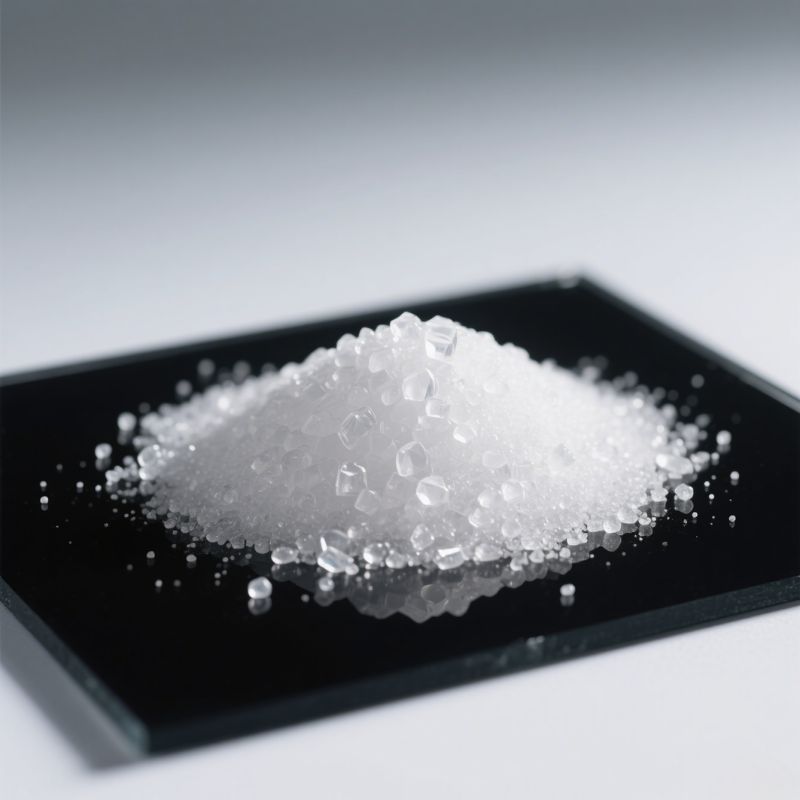
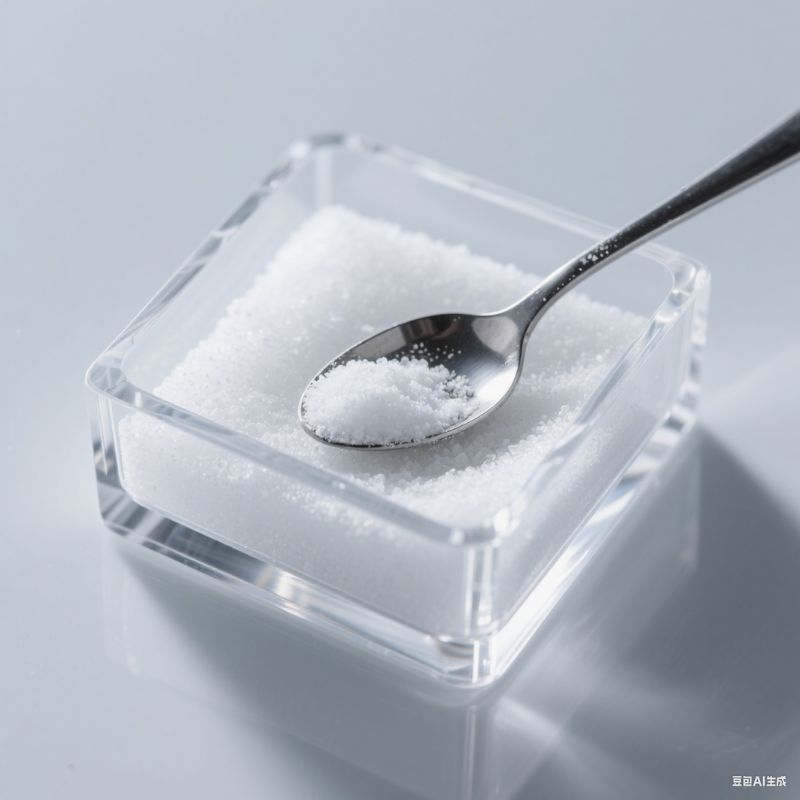
Sodium Tripolyphosphate (STPP) improves toothpaste performance by preventing tartar buildup, removing stains, and protecting tooth enamel.
Sodium tripolyphosphate (STPP) is a widely used chemical in various industries, from detergents to food processing. However, there is often confusion about whether STPP can be labeled simply as “phosphate.” This article explores the classification, regulatory considerations, and labeling requirements for STPP.
Phosphates are a broad class of chemicals that contain phosphorus. STPP is a polyphosphate compound consisting of multiple phosphate units linked together. It is a sodium salt of triphosphoric acid and is commonly used for water treatment, detergents, and food preservation.
Different industries have distinct labeling requirements for STPP:
While STPP contains phosphate groups, it is not the same as simple phosphates like sodium phosphate or phosphoric acid. Regulatory agencies require accurate chemical labeling to avoid misleading consumers.
| Application | Function |
|---|---|
| Detergents | Water softening, prevents scaling |
| Food Processing | Preservative, moisture retention |
| Water Treatment | Prevents corrosion, scale inhibition |
| Textile and Dyeing | Dispersing agent, softening agent |
| Paper and Pulp | Improves paper strength and brightness |
Yes, when used within regulatory limits. The FDA classifies it as GRAS (Generally Recognized as Safe).
Excessive phosphate discharge can lead to eutrophication in water bodies, causing algae blooms.
It acts as a water softener, preventing calcium and magnesium ions from interfering with detergents.
Yes, it helps retain moisture in processed meats, improving texture and shelf life.
Zeolites and citrate-based compounds are commonly used as phosphate-free alternatives.
For more information on STPP, visit Sodium Tripolyphosphate for Detergents or STPP for Water Treatment.

Sodium Tripolyphosphate (STPP) improves toothpaste performance by preventing tartar buildup, removing stains, and protecting tooth enamel.

This guide covers the uses, benefits, risks, dosages, and health concerns of polyphosphates in food, with an overview of regulatory standards and emerging alternatives.

Toxicological studies and global regulations are reshaping the future of sodium tripolyphosphate, once hailed as a chemical miracle in detergents.

Polyphosphates are typically used in the food sector for their capability to improve the texture, look, and service life of numerous items.

On December 18, the State Secretary of Qian’nan Province visited Goway Fuquan to review the company’s progress toward meeting its quarterly and annual goals, as well as to guide the company’s green development efforts in the phosphate industry.

Sodium tripolyphosphate (STPP) is an essential additive used in many industries, and its market is evolving due to environmental and economic trends.

Sodium tripolyphosphate (STPP) is manufactured through controlled reactions of phosphoric acid and sodium compounds, with patented industrial processes optimizing purity and yield.

Global food-grade sodium tripolyphosphate (STPP) prices in Q4 2025 remain stable with slight increases driven by higher energy and logistics costs, while demand from meat and seafood processing sustains market balance.

A professional and educational overview of tripolyphosphate (STPP), explaining its composition, manufacturing process, applications, safety profile, and sustainability trends.

This guide provides insights into the technological advances, regulatory frameworks, and cost factors affecting food and aquatic products, highlighting sustainability challenges and opportunities in 2025.

This guide covers the uses, benefits, risks, dosages, and health concerns of polyphosphates in food, with an overview of regulatory standards and emerging alternatives.
WhatsApp us