Sodium Tripolyphosphate: A Versatile Additive for Industrial and Commercial Use
Known for its chelating, buffering, and dispersing properties, STPP enhances product effectiveness, improves manufacturing processes, and ensures compliance with industry standards.
This article will explore what makes STPP indispensable, how it benefits different sectors, and why manufacturers worldwide rely on it for efficiency and quality assurance.
What is Sodium Tripolyphosphate?
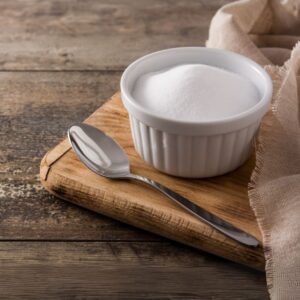
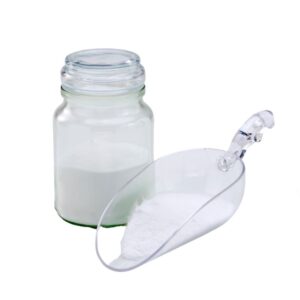
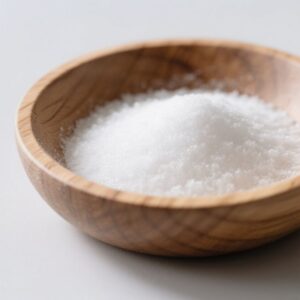
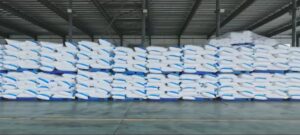
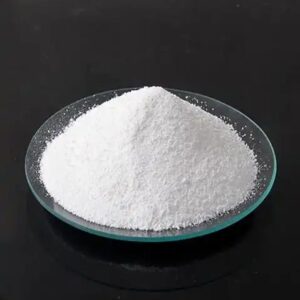
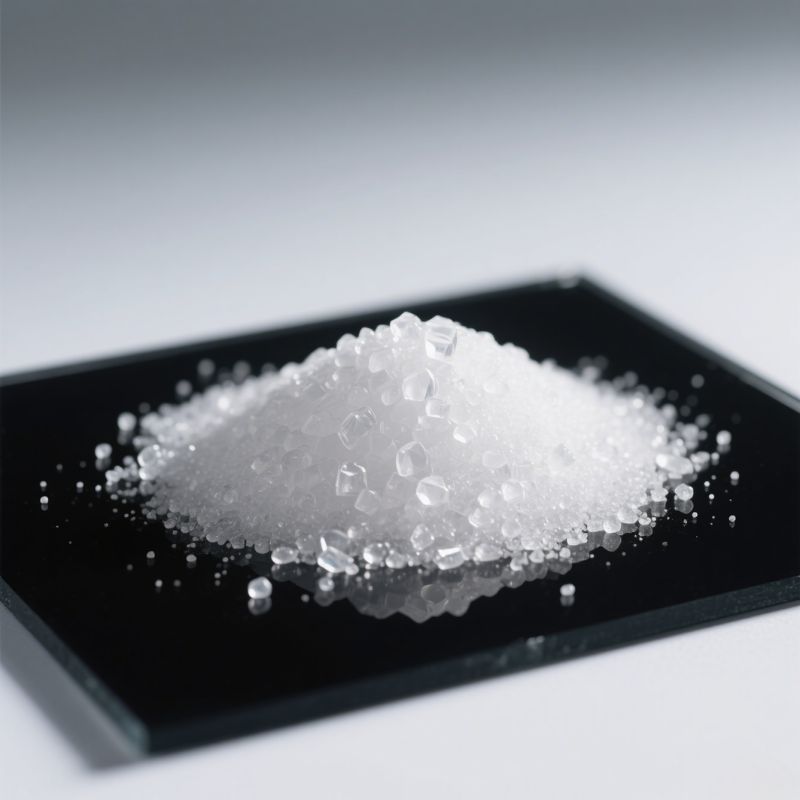
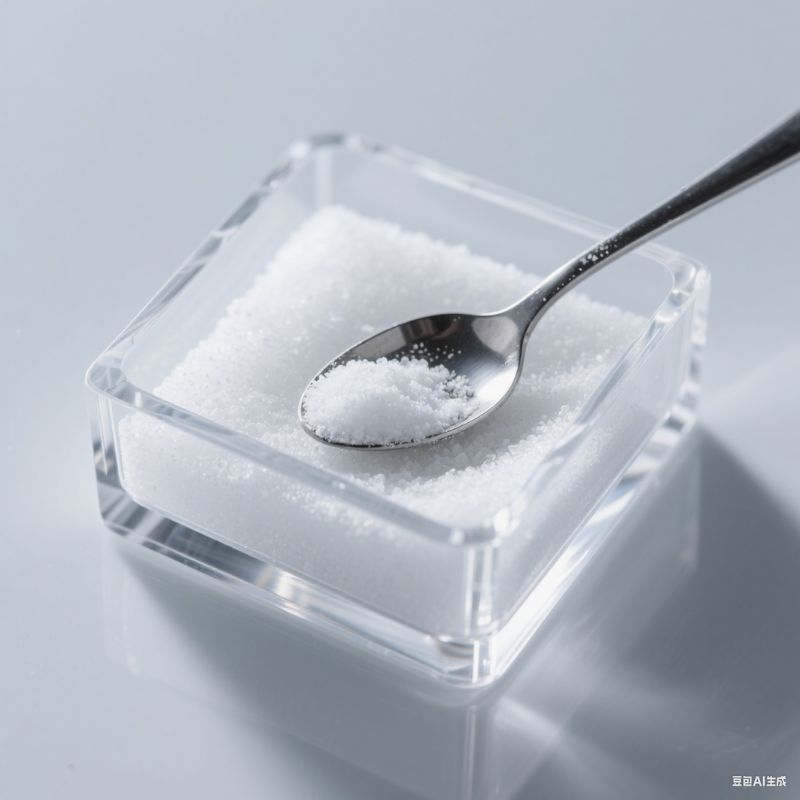
Sodium Tripolyphosphate (STPP) is an inorganic sodium salt of triphosphoric acid, existing in both anhydrous and hydrated forms. Its chemical formula is Na₅P₃O₁₀, and it appears as a white crystalline powder with high solubility in water.
Key Properties of STPP
- Chelating agent: It binds calcium and magnesium ions, softening water.
- Buffering agent: Helps maintain pH stability.
- Emulsifier: Enhances the mixing of oil and water-based solutions.
- Water softener: Prevents scale formation in detergents and industrial applications.
Sodium Tripolyphosphate in Detergents
STPP is a key ingredient in commercial detergents, primarily because it can soften hard water, improve cleaning efficiency, and prevent dirt from repositioning on fabrics.
Why STPP is Essential in Detergents
- Enhances the effectiveness of surfactants in laundry and dishwashing detergents.
- Sequesters hardness ions (calcium & magnesium), preventing soap scum formation.
- It improves the dispersion of dirt particles, making detergents more efficient.
STPP in Dishwashing Detergents
Automatic dishwasher detergents rely on STPP to prevent food residues from sticking to dishes and glasses, ensuring spotless cleaning.
Learn more about STPP for detergents.
The Role of STPP in Water Treatment
Water treatment facilities use STPP to control scale formation, enhance coagulation, and reduce pipe corrosion. It also helps soften water by binding with hard water minerals.
How STPP Improves Water Treatment
- Reduces hardness by chelating calcium and magnesium ions.
- Prevents scale formation in industrial boilers and cooling towers.
- Used in municipal water systems to control pipe corrosion.
Find out more about STPP in water treatment.
STPP in the Food Industry: Applications and Safety
STPP is a food additive (E451) widely used in processed meats, seafood, and poultry to retain moisture and improve texture. It is Generally Recognized as Safe (GRAS) by the Food and Drug Administration (FDA).
Typical Food Applications of STPP
IndustryFunction
Seafood Processing Prevents water loss during freezing
Poultry Industry Improves texture and moisture retention
Meat Products Enhance flavor and juiciness
Sauces & Emulsions Acts as a thickening agent
Read about STPP in food processing
Sodium Tripolyphosphate in Pharmaceuticals
In pharmaceutical formulations, sodium tripolyphosphate acts as:
- A buffering agent in drug solutions.
- A dispersing agent for tablet formulations.
- A stabilizer in biological solutions.
It also finds applications in cosmetics as a pH adjuster and emulsifier in creams and lotions.
STPP in Textile, Paper, and Ceramics Industries
STPP enhances textile dyeing, pulp processing, and ceramic formulation.
Uses Across Industries
- Textile & Dyeing: Helps in even dye dispersion.
- Paper & Pulp: Improves pulp stability and brightness.
- Ceramics: Aids in better binding and glaze consistency.
Explore STPP in textiles.
Comparing STPP with Other Phosphates
FeatureSTPPSodium HexametaphosphateTrisodium Phosphate
Chelating Ability High Medium Low
Water Softening Excellent Good Moderate
pH Buffering Yes No Yes
Emulsification Yes No No
Regulatory Compliance and Environmental Impact
Is STPP Environmentally Safe?
While STPP is biodegradable, excess phosphates can lead to eutrophication in water bodies. Regulatory authorities like the United States Food and Drug Administration (FDA) and European Food Safety Authority (EFSA) monitor its environmental impact.
Compliance Standards
- FDA Approved (GRAS-listed)
- EU Food Additive (E451)
- REACH Regulation Compliant
Frequently Asked Questions
Is sodium tripolyphosphate safe for consumption?
When used within approved limits, it is classified as Generally Recognized as Safe (GRAS) by the FDA.
Why is STPP used in seafood processing?
STPP helps prevent moisture loss and maintains the firm texture of frozen seafood.
Is STPP the same as sodium hexametaphosphate?
While both are polyphosphates, STPP has better chelating and buffering properties.
Does STPP affect food flavor?
STPP does not significantly impact flavor but enhances texture and moisture retention.
Final Thoughts
Sodium Tripolyphosphate is a highly versatile compound used in detergents, food, water treatment, pharmaceuticals, and industrial manufacturing. Its ability to soften water, improve texture, and act as a buffering agent makes it indispensable across multiple sectors.
Key Takeaways:
Enhances detergent efficiency
Essential for water softening and treatment
Improves food texture and moisture retention
Used in pharmaceuticals, textiles, and ceramics
FDA-approved and widely regulated
Contact us today for bulk orders or industrial applications to source high-quality STPP at competitive prices.