A professional and educational overview of tripolyphosphate (STPP), explaining its composition, manufacturing process, applications, safety profile, and sustainability trends.
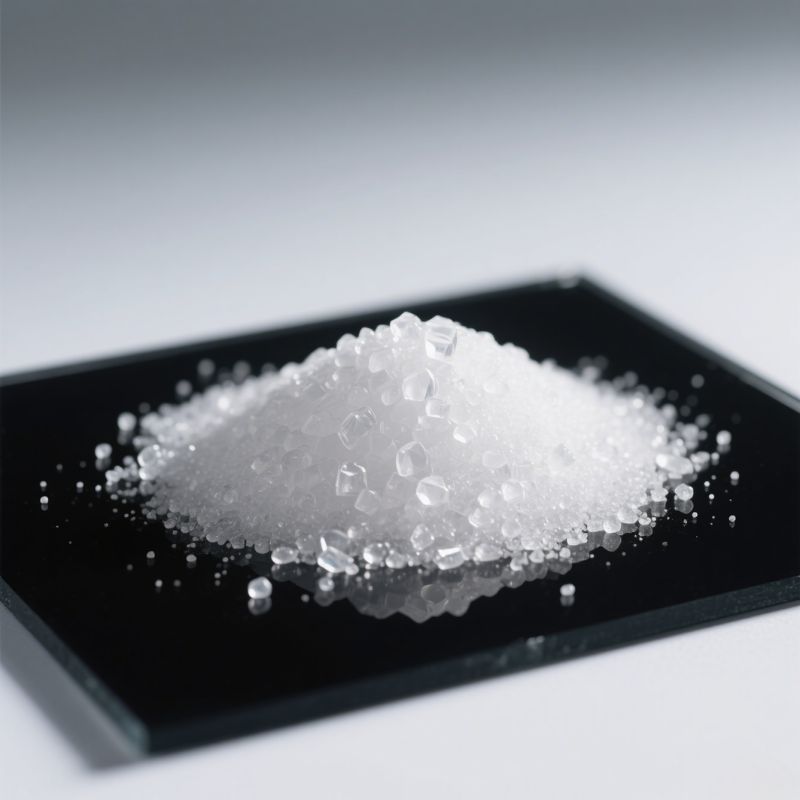
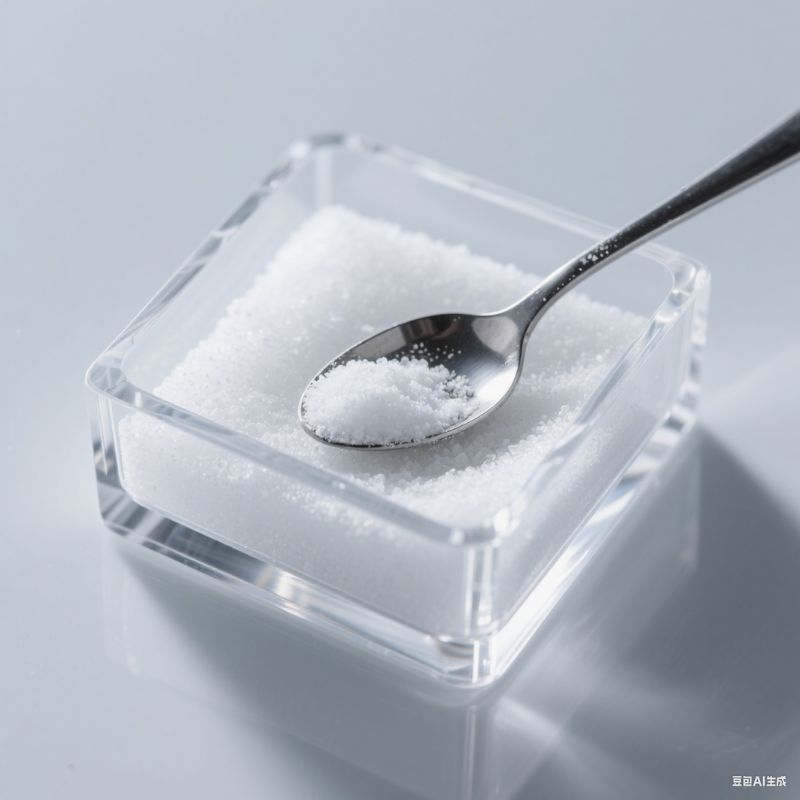
Tripolyphosphate—more commonly known as sodium tripolyphosphate (STPP)—is a white, crystalline powder that plays an essential role in many modern industries. From cleaning products to food processing, ceramics, and water treatment, this compound’s chemical versatility makes it one of the most valuable inorganic additives ever developed.
In this article, we’ll explore what tripolyphosphate is, how it’s produced, its physical and chemical characteristics, how it’s used across industries, and the growing shift toward sustainable phosphate management.
1. What Exactly Is Tripolyphosphate?
Tripolyphosphate belongs to the family of polyphosphates, which are formed when multiple phosphate units are chemically bonded together. The most common and commercially important form is sodium tripolyphosphate (Na₅P₃O₁₀), though potassium and calcium variants also exist for specialized applications. Key characteristics:
Chemical Formula: Na₅P₃O₁₀
Molecular Weight: 367.86 g/mol
Physical State: White granular or powdery solid
pH (1% solution): 9.2–10.0 (mildly alkaline)
Solubility: Easily soluble in water; insoluble in organic solvents
Odor: Odorless
Stability: Hygroscopic; absorbs moisture when exposed to air. Tripolyphosphate is non-toxic and non-flammable, but because it’s alkaline, it should be handled with gloves and eye protection to avoid irritation.
2. How Is Tripolyphosphate Made?
The industrial production of tripolyphosphate involves a controlled heating process known as thermal condensation. Manufacturers start with monosodium phosphate (NaH₂PO₄) and disodium phosphate (Na₂HPO₄), then heat them at 450–550°C to remove water molecules and form the condensed tripolyphosphate structure. Simplified reaction: 2 Na₂HPO₄ + NaH₂PO₄ → Na₅P₃O₁₀ + 2 H₂O This process creates a mixture of linear and cyclic tripolyphosphate molecules, which are later cooled, ground, and packaged as white powder or granules.
Modern plants often integrate energy recovery systems and phosphorus recycling technologies to reduce environmental impact.
3. Chemical Properties and Behavior
3.1 Water Softening
Tripolyphosphate binds calcium (Ca²⁺) and magnesium (Mg²⁺) ions, which cause water hardness. This property allows detergents to perform better by preventing soap scum and mineral deposits.
3.2 Chelation and Sequestration
It acts as a chelating agent, forming stable complexes with metal ions. This improves the stability of detergents, cosmetics, and food emulsions.
3.3 Buffering Capability
Tripolyphosphate maintains pH balance in formulations, keeping them mildly alkaline—ideal for cleaning and food preservation.
3.4 Protein Interaction
In food, tripolyphosphate binds with muscle proteins, increasing their ability to retain water during freezing and thawing. This is why it’s used in seafood and meat products.
4. Types of Tripolyphosphate
Type
Composition
Main Uses
Sodium Tripolyphosphate (STPP)
Na₅P₃O₁₀
Detergents, food preservation, ceramics
Potassium Tripolyphosphate (KTPP)
K₅P₃O₁₀
Food formulations, low-sodium products
Calcium Tripolyphosphate (CTPP)
Ca₅P₃O₁₀
Dietary supplements, industrial additives
Types of Tripolyphosphate
5. Industrial Applications of Tripolyphosphate
5.1 Detergent Manufacturing
STPP is a builder—a compound that boosts detergent effectiveness by softening water and suspending soil particles. It enhances surfactant performance and keeps dirt from reattaching to fabric or dishes. Used in:
Laundry detergents (powder and tablets)
Dishwashing detergents
Industrial degreasers and floor cleaners. Even though some regions restrict phosphate detergents to reduce water pollution, STPP remains essential for high-efficiency cleaning in industrial and institutional environments.
5.2 Ceramics and Paints
STPP acts as a dispersant in ceramic slip casting, ensuring even particle distribution and smooth surfaces. In the paint industry, it prevents pigment settling and stabilizes mixtures during storage.
5.3 Water Treatment
Used in municipal and industrial systems, tripolyphosphate controls scaling and corrosion by sequestering minerals. It’s especially useful in cooling towers and boiler systems.
5.4 Metal Treatment
In metal finishing, STPP cleans and conditions surfaces before coating or electroplating, removing ions that could interfere with adhesion.
6. Food Applications
Only food-grade STPP (E451i) is allowed in food processing. It enhances texture, retains moisture, and prevents oxidation in frozen and cooked foods.
6.1 Seafood
STPP keeps shrimp, scallops, and fish fillets firm and juicy by increasing their water-holding capacity.
6.2 Poultry and Meat
Used in brines and marinades to prevent dryness and improve tenderness in processed meats like ham and sausages.
6.3 Dairy and Baked Goods
In processed cheese, it stabilizes emulsions and prevents separation. In baking, it regulates acidity and ensures even dough expansion. Regulatory Note:
STPP is approved as a food additive under the FDA (21 CFR 182.1810) and EFSA (E451i) standards, with limits on maximum usage levels.
7. Pharmaceutical and Cosmetic Applications
In pharmaceuticals, tripolyphosphate serves as a pH regulator and stabilizer in tablets and liquid formulations. In cosmetics and personal care products, it chelates metal ions to prevent product degradation, improving shelf stability in shampoos, creams, and lotions.
8. Environmental Impact and Regulations
8.1 The Phosphate Problem
When discharged into water systems, phosphates can promote algal blooms (eutrophication), depleting oxygen levels and harming aquatic ecosystems.
8.2 Regulatory Actions
Many countries have implemented phosphate discharge limits or banned their use in household detergents. However, industrial and food-grade uses remain approved due to controlled recycling systems and wastewater treatment.
8.3 Sustainable Alternatives
Industries are investing in non-phosphate builders like zeolites and citrates, but these alternatives often lack the same efficiency or stability as STPP in specific conditions.
9. Handling and Safety
Hazard Level: Low Precautions:
Avoid inhalation of dust
Use gloves and goggles
Store in sealed containers away from acids. STPP is non-toxic when used as directed, but ingestion of large quantities may cause gastrointestinal irritation. Food-grade forms are safe under regulatory limits.
10. Market Overview (2025)
The global market for sodium tripolyphosphate is valued at approximately USD 2.4 billion, growing steadily at a CAGR of 4–5%. Leading producers: China, India, Germany, and the United States. Applications by industry share:
Detergents and cleaning: ~45%
Food processing: ~25%
Ceramics and construction: ~15%
Others (water treatment, pharma): ~15% The market’s growth is driven by demand from developing economies, where detergent and processed food consumption continues to rise.
11. Sustainability and the Future of Phosphates
Sustainability is shaping the next generation of phosphate chemistry. Researchers and manufacturers are exploring:
Phosphorus recovery from wastewater
Circular manufacturing models
Reduced-energy synthesis methods
Hybrid phosphate-zeolite systems for low-impact detergents. These innovations aim to balance the world’s need for effective chemical compounds with environmental responsibility.
12. Key Takeaways
Tripolyphosphate (especially STPP) is an essential inorganic builder and stabilizer used in multiple industries.
It improves cleaning efficiency, food texture, and chemical stability.
Despite environmental restrictions, it remains irreplaceable in many high-performance applications.
Sustainable manufacturing and proper wastewater treatment are vital for minimizing ecological impact.
Author’s Note (Experience): Written by Maggie, a technical writer with over ten years of experience in industrial chemistry, phosphate additives, and sustainable manufacturing processes. Expertise: Focused on detergents, ceramics, food processing, and water treatment additives, with specialized knowledge in phosphate chemistry.
Sodium Tripolyphosphate (STPP) serves as a crucial food additive that improves texture, moisture retention and shelf life in processed seafood and meat products.
Sodium Tripolyphosphate: Learn how its synergistic effects with other auxiliaries improve detergent performance and sustainability in this in-depth analysis.
Global food-grade sodium tripolyphosphate (STPP) prices in Q4 2025 remain stable with slight increases driven by higher energy and logistics costs, while demand from meat and seafood processing sustains market balance.
This guide covers the uses, benefits, risks, dosages, and health concerns of polyphosphates in food, with an overview of regulatory standards and emerging alternatives.
The Guguye Phosphate Production Base in Guizhou, China, utilizes local phosphate resources to produce chemicals like yellow phosphorus and STPP. Committed to sustainability, it aims for zero wastewater discharge and a circular economy model.
Sodium tripolyphosphate (STPP) is a versatile chemical compound that is crucial in detergents, water treatment, food processing, ceramics, and many industrial applications.
On December 28, 2023, Goway Fuquan Factory hosted a delegation from the School of Chemical Engineering, with the aim of enhancing school-enterprise collaboration, expanding employment opportunities for graduates, and supporting the recruitment process.
A professional and educational overview of tripolyphosphate (STPP), explaining its composition, manufacturing process, applications, safety profile, and sustainability trends.
This guide provides insights into the technological advances, regulatory frameworks, and cost factors affecting food and aquatic products, highlighting sustainability challenges and opportunities in 2025.
This guide covers the uses, benefits, risks, dosages, and health concerns of polyphosphates in food, with an overview of regulatory standards and emerging alternatives.