What is Sodium Tripolyphosphate (STPP)?
Chemical Composition and Early Applications
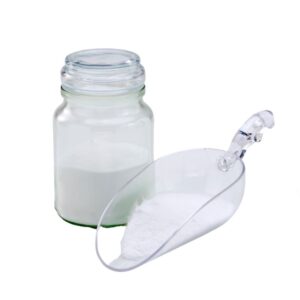
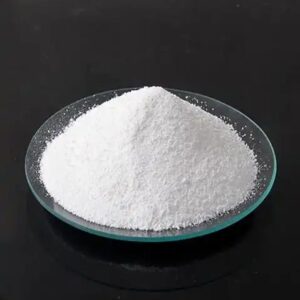
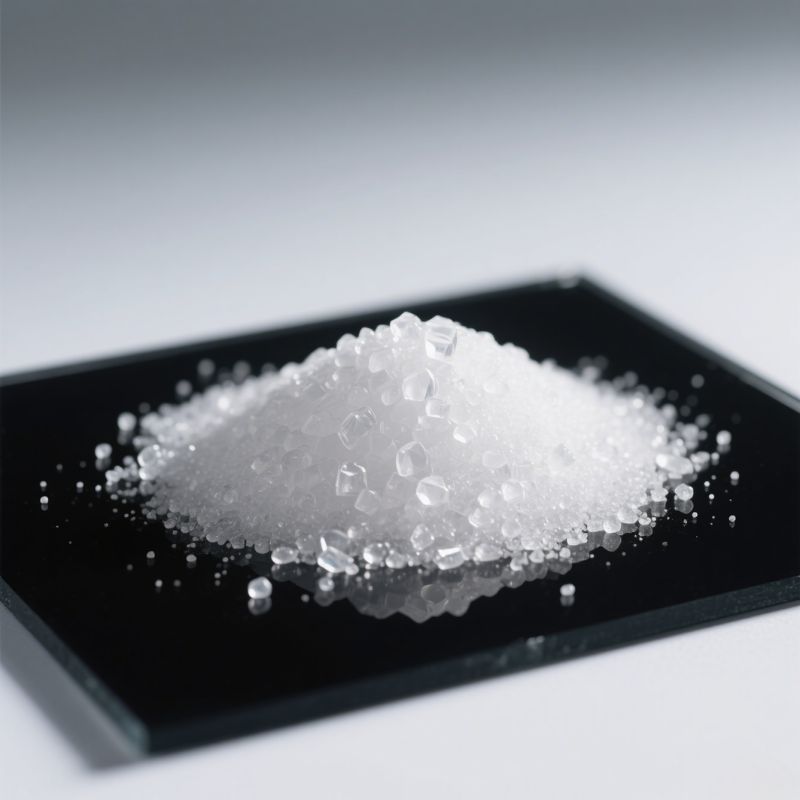
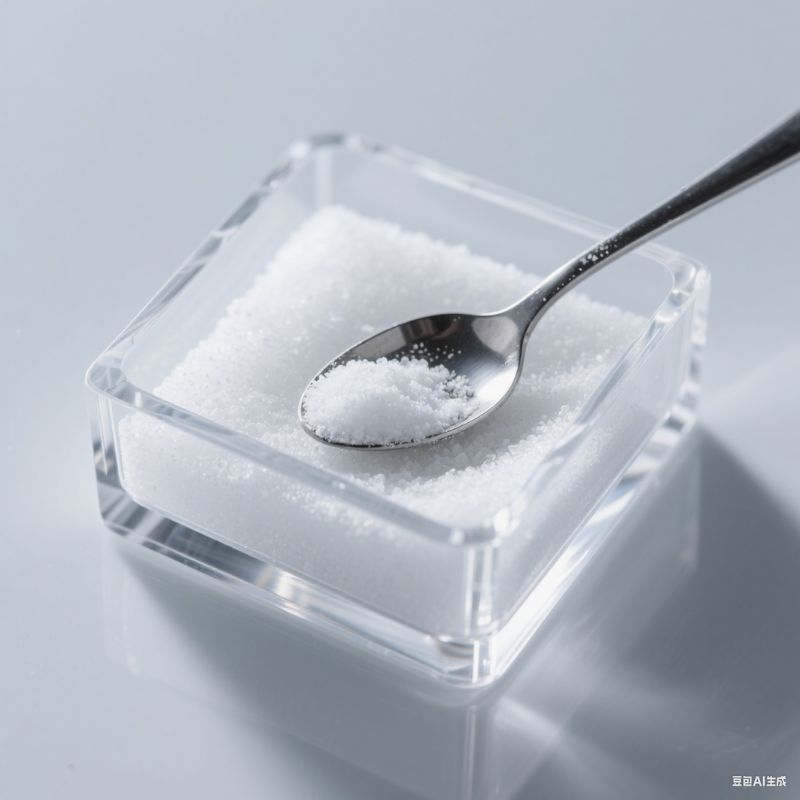
Sodium tripolyphosphate (STPP), with the chemical formula Na₅P₃O₁₀, is a synthetic compound first synthesized in the late 19th century. This white, odorless powder is a sodium salt of triphosphoric acid, characterized by its high solubility in water and exceptional ability to bind metal ions. Initially used in food preservation and industrial water treatment, STPP’s potential in cleaning applications became evident in the 1930s.
The Science Behind STPP’s Cleaning Power
STPP operates through two key mechanisms:
- Water Softening: It sequesters calcium (Ca²⁺) and magnesium (Mg²⁺) ions in hard water, preventing them from interfering with surfactants.
- Dispersion: It breaks down dirt particles and prevents them from redepositing on fabrics or dishes.
By the 1940s, these properties made STPP indispensable in detergent formulations, mainly as synthetic detergents replaced traditional soap bars.
The Golden Age of STPP in Detergent Manufacturing (1940s–1960s)
Revolutionizing Laundry Care
Post-World War II, the demand for efficient household cleaners surged. STPP became the backbone of powdered laundry detergents, enabling brands like Tide (introduced in 1946) to dominate markets. For example:
- A 1950s Tide formulation contained 30–50% STPP, which eliminated the “scum” left by soap in hard water.
- STPP’s pH-buffering capability maintained detergent alkalinity, which is crucial for breaking down grease and organic stains.
Automatic Dishwashers and STPP’s Dual Role
The rise of automatic dishwashers in the 1960s further cemented STPP’s importance. It not only softened water but also:
- Prevented spotting by keeping food particles suspended.
- Enhanced glassware clarity by minimizing mineral deposits.
- Brands like Cascade relied on STPP concentrations of 20–35% to deliver “streak-free shine,” a hallmark of their advertising campaigns.
The Synergy Between STPP and Surfactants
How Surfactants and STPP Worked Together
Surfactants (e.g., linear alkyl benzene sulfonates) reduce water’s surface tension to lift oils, while STPP:
- Neutralized metal ions that deactivate surfactants.
- Boosted lather stability in warm water.
A 1965 Procter & Gamble study found that STPP increased surfactant efficiency by 40% in challenging water conditions. This synergy was especially critical in cold-water detergents, where mineral interference was more pronounced.
Stability in Powdered Formulations
STPP’s granular structure acted as a carrier for other detergent components. Its hygroscopic nature prevented clumping, extending shelf life—a significant advantage over early liquid detergents, which suffered from ingredient separation.
Economic and Practical Advantages of STPP
Cost-Effectiveness and Scalability
STPP’s production from readily available phosphate rock and soda ash made it 50% cheaper per ton than alternatives like sodium citrate in the 1960s. Global production soared to 2.5 million tons annually by 1970, with the U.S. accounting for 45% of output.
Performance Benchmarks
- Fabric Brightness: STPP reduced soil redeposition by 60% compared to sodium carbonate, keeping whites brighter for longer.
- Dishwasher Efficiency: Tests showed STPP-based detergents removed 90% of egg residue versus 65% for phosphate-free versions.
These metrics made STPP the preferred choice for both consumers and manufacturers.
The Environmental Catalyst: Phosphates and Eutrophication
STPP’s Hidden Cost: Algae Blooms and Dead Zones
The Eutrophication Process Explained
When STPP entered waterways via sewage, its phosphate content acted as a nutrient overload for algae. Key impacts included:
- Algal Blooms: Cyanobacteria multiplied rapidly, blocking sunlight.
- Hypoxia: Decomposing algae consumed oxygen, creating dead zones.
By 1971, Lake Erie was declared “biologically dead” in 60% of its basin, with phosphate concentrations exceeding 0.1 mg/L—10 times the natural level.
Quantifying the Damage
- A 1973 EPA report linked 72% of Great Lakes phosphates to detergent runoff.
- The Gulf of Mexico’s dead zone, fueled by Mississippi River phosphate discharges, grew to 8,776 square miles by 2017 (NOAA).
Regulatory Crackdown: The U.S. Phosphate Ban Timeline
Phase 1: The 1972 Clean Water Act
Though not directly targeting detergents, this law imposed wastewater phosphate limits of 1 mg/L, forcing municipalities to upgrade treatment plants. Detergent makers voluntarily reduced STPP content by 25% between 1970 and 1980.
Phase 2: State and Federal Bans (2010–2014)
- 2010: Washington’s ban cut phosphate levels in laundry detergents to 0.5%.
- 2013: The U.S. Consumer Product Safety Commission banned phosphates in dishwasher detergents, though commercial formulas retained 1–3% STPP for industrial use.
- 2014: Seventeen states adopted the 0.5% phosphate limit, effectively eliminating STPP from household products.
Why Dishwasher Detergents Got a Partial Pass
Technical Challenges in Phosphate-Free Formulas
Early attempts to replace STPP in dishwashers led to:
- Spotting issues due to poor mineral sequestration.
- Reduced cleaning efficiency against starch-heavy residues.
A 2012 Consumer Reports study found phosphate-free dishwasher detergents scored 30% lower in grease removal. This forced regulators to allow temporary exemptions until alternatives like enzymes stabilized.
Industry Shift: From STPP to “Phosphate-Free” Labels
Reformulation Strategies
- Zeolites: Procter & Gamble’s 1980s-era Tide with Zeolites used aluminosilicates to trap calcium ions. However, zeolites increased detergent weight by 15% and performed poorly in cold water.
- Citric Acid: Seventh Generation’s plant-based formulas utilized citric acid’s chelating properties but required 2–3x higher concentrations than STPP.
Consumer Backlash and Adaptation
A 2011 survey by the American Cleaning Institute found that 68% of households complained about phosphate-free detergents’ performance. Brands responded by:
- Adding protease and amylase enzymes to break down stains.
- Developing liquid-gel formats for better solubility.
By 2020, innovations like Procter & Gamble’s “Coldwater Clean” closed the performance gap, achieving 95% STPP-era stain removal in energy-efficient wash cycles.
STPP Alternatives: The Chemistry of Cleaning Without Phosphates
Zeolites: The Ion-Exchange Powerhouses
Mechanism and Limitations
Zeolites trap Ca²⁺ and Mg²⁺ ions in their porous structure, but:
- Require co-builders like polycarboxylates to disperse dirt.
- Leave residues on dark fabrics, necessitating additional rinses.
A 2018 Journal of Materials Chemistry study noted that zeolites reduce detergent efficiency by 10–15% in hard water compared to STPP.
Citrates: Biodegradable but Less Potent
Applications in Eco-Friendly Detergents
Sodium citrate, derived from citrus, is a biodegradable alternative used in brands like Ecover. However, its weak ion-binding capacity limits effectiveness in water with **>180 ppm hardness**.
Enzymes: The Protein-Based Solution
How Enzymes Compensate for STPP’s Absence
- Proteases: Break down protein-based stains (blood, eggs).
- Lipases: Target oily residues.
- Amylases: Dissolve starch deposits.
A 2021 study in Biotechnology Reports showed enzyme-enhanced detergents remove 85% of food stains without phosphates, rivaling STPP’s performance.
The Global Ripple Effect: STPP’s Uneven Decline
Regions Still Using STPP
- Asia: India and China account for 55% of global STPP demand as of 2023, driven by low-cost detergent production.
- Africa: Limited wastewater treatment infrastructure perpetuates STPP use, contributing to algal blooms in Lake Victoria.
EU’s Stricter Approach
The EU’s 2017 REACH Regulation capped phosphate content at 0.3%, pushing brands like Persil to adopt methylglycinediacetic acid (MGDA), a biodegradable chelator.
Conclusion: Lessons from the STPP Era
The rise and fall of STPP underscores the delicate balance between technological progress and environmental stewardship. While alternatives have mitigated eutrophication risks, debates over cost, performance, and sustainability trade-offs continue. Future innovations in bio-based chelators and nanotechnology may finally close the chapter on phosphate-dependent cleaning.