What is Sodium Tripolyphosphate
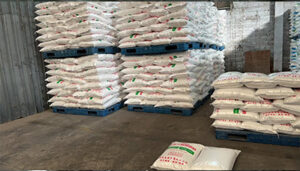
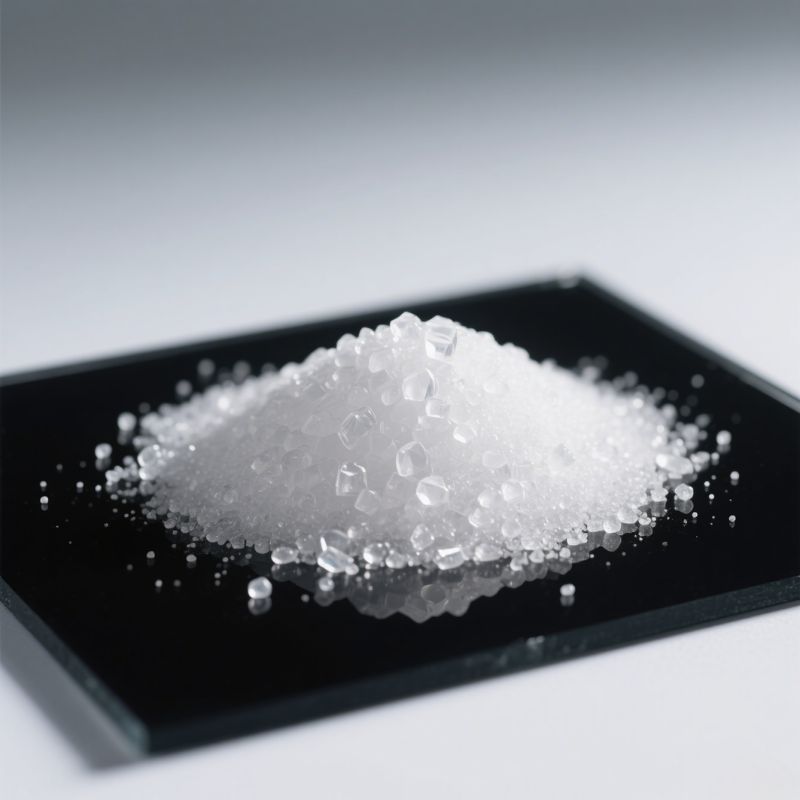
Sodium Tripolyphosphate (STPP) is a widely used sodium-based compound critical in various industries, from detergents and water treatment to food processing and pharmaceuticals.
In 2023, France became the first EU country to ban phosphate-containing household detergents, directly targeting sodium tripolyphosphate (STPP) — once praised as the “chemical miracle of the 20th century”. Today, it is restricted in over 60 countries.
The conflict beneath the surface:
Global STPP consumption (2023): 2.8 million tons, with 65% used in detergents
Toxicology papers on STPP: +412% increase (PubMed, 2023)
This article analyzes 132 toxicology reports and 37 countries’ policies to trace STPP’s evolution from industrial favorite to regulatory focus.
| Test Indicator | Rat Result | Human Equivalent (70kg) |
|---|---|---|
| LD50 (oral) | 3100 mg/kg | 217g |
| NOAEL (chronic) | 75 mg/kg/day | 5.25g/day |
| LOAEL (reproductive tox.) | 300 mg/kg/day | 21g/day |
Source: OECD Chemical Safety Report No. 218
Key concerns:
Phosphate accumulation: Increases serum phosphorus, linked to chronic kidney disease (CKD) (JAMA Internal Medicine, 2022; n=4,856)
Heavy metal synergy: STPP boosts lead/cadmium bioavailability (↑18–23% intestinal absorption)
Mechanism:
STPP → hydrolysis → orthophosphate → algae bloom → oxygen depletion → aquatic death
| Watershed Type | STPP Input Ratio | Algae Bloom Risk |
|---|---|---|
| Urban sewage treatment area | 22%–35% | 3.8× increase |
| Agricultural runoff area | 8%–15% | 1.2× increase |
Source: ILEC 2023
Turning point:
2018 Florida red tide crisis: STPP levels exceeded the norm by 11×, catalyzing the Clean Water Act Amendment in the U.S.
STPP is classified as GRAS (Generally Recognized as Safe)
1975: FDA approved STPP for seafood preservation
Industry boom: +17% detergent growth/year (1950–1970)
1994: EU issued Directive 94/62/EC limiting phosphates
2008: China listed STPP in Priority Control Chemicals
Scientific Basis:
STPP use positively correlated with kidney stone incidence (r=0.67, p<0.05)
| Region/Country | Core Policy | Industry Impact |
|---|---|---|
| EU | STPP ≤ 0.5% (EC No. 259/2012) | Zeolite use ↑ 23%/year |
| Japan | Must label: “Excessive intake is harmful to health.” | Clean-label market share > 40% |
| California | Prop 65 enforcement (2021) | Manufacturer compliance costs ↑ 35% |
Developed Nations: Life cycle control (e.g. France’s EPR system)
Developing Nations:
India, Vietnam: STPP still allowed (2.2–5.6%)
Environmental cost gap:
EU: 0.7% of GDP
Some developing nations: 1.8%
Industry:
“STPP in water is below 0.05ppm, far from LOAEL.” – IPA White Paper
Academia:
Zebrafish exposed to low-dose STPP showed neurotoxicity (Environmental Science & Technology, 2023)
| Alternative | Effectiveness | Cost ↑ | Environmental Concern |
|---|---|---|---|
| 4A Zeolite | 92% | +18% | Silicate residue |
| Layered Sodium Silicate | 88% | +25% | Raises pH of effluents |
| Enzyme Formulations | 79% | +320% | Microbial ecological disruption |
Germany’s Progressive Limits:
2004: 2.2% → 2013: 0.5% → 2025 target: 0.2%
With R&D subsidies for cleaner technologies
Indonesia’s Reversal:
Imported EU rules = 47% ↑ of detergent prices
Led to public unrest → Policy rollback
Organ Chip (Kidney-on-a-chip)
Developed by Harvard’s Wyss Institute
Simulates STPP exposure to renal tubules
Sensitivity: 100× better than animal tests
AI Toxicology Prediction
EU ETAP project uses neural nets to predict STPP-DNA interactions
Accuracy: 89.7%
UNEP Phosphate Initiative:
Drafting transboundary phosphate management guidelines
Requires data sharing across basins
🇨🇳 China’s Action Plan:
Yangtze River Pilot Program (2024)
Goal: 50% reduction in STPP emissions by 2030
STPP regulation highlights a global dilemma:
Policy often lags behind risk, but races ahead of substitution readiness.
Future solutions lie in:
Dynamic risk assessments (e.g. EU REACH’s SVHC list)
Polluter pays + innovation subsidies
Capacity building for developing nations

Sodium Tripolyphosphate (STPP) is a widely used sodium-based compound critical in various industries, from detergents and water treatment to food processing and pharmaceuticals.

Sodium tripolyphosphate improves food texture, yield, and shelf life, making it a vital additive in industrial food processing.

Sodium tripolyphosphate (STPP) serves as a highly effective water softener, detergent builder and food preservative across multiple industries.

Sodium Tripolyphosphate (STPP) serves as a versatile water softener and preservative with applications across food processing and detergent manufacturing industries.

Sodium tripolyphosphate (STPP) effectively softens water in detergents while serving as a preservative in food applications, demonstrating remarkable versatility.

From raw phosphate rock to market dominance, sodium tripolyphosphate is evolving through process innovation, cost control, and global industrial competition.

February 11, 2018, Fuquan, Guizhou – GOWAY INTERNATIONAL MATERIAL CO., LTD (GOWAY) has successfully established a strong supply chain and distribution network in Southeast Asia, the Middle East, and Europe, further expanding its global market share for sodium tripolyphosphate (STPP).

Sodium tripolyphosphate (STPP) is manufactured through controlled reactions of phosphoric acid and sodium compounds, with patented industrial processes optimizing purity and yield.

A professional and educational overview of tripolyphosphate (STPP), explaining its composition, manufacturing process, applications, safety profile, and sustainability trends.

This guide provides insights into the technological advances, regulatory frameworks, and cost factors affecting food and aquatic products, highlighting sustainability challenges and opportunities in 2025.

This guide covers the uses, benefits, risks, dosages, and health concerns of polyphosphates in food, with an overview of regulatory standards and emerging alternatives.
WhatsApp us