Marine items, consisting of fish, shellfish, and algae-based foods, play a vital role in international food systems. They supply high-grade healthy protein and essential nutrients, and are central to the diets of numerous people worldwide. In this guide, we discover the technological developments, regulations, and expense factors to consider involved in the selection, manufacturing, and intake of marine products since 2025.
1. Summary of Aquatic Products
Aquatic products incorporate a variety of foods stemming from marine, freshwater, and briny water settings. These items include fish (e.g., salmon, tuna, cod), shellfish (e.g., shrimp, mussels, oysters), and algae (e.g., algae, spirulina). Aquatic products are vital to worldwide nutrition and are among the most traded food commodities on the planet.
a. Kinds Of Aquatic Products
- Fish : This includes both wild-caught and farmed species such as salmon, trout, and cod. These species are rich in omega-3 fats, proteins, and micronutrients like vitamin D.
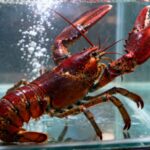
- Shellfish : These include crustaceans like shrimp and shellfish, along with mollusks like oysters, clams, and mussels. Shellfish are prized for their taste, appearance, and nutritional value.
- Algae : Seaweeds such as nori, kombu, and wakame are taken in as foods and treats, and algae like spirulina and chlorella are used as nutritional supplements.
- Aquatic Plant Kingdoms : In addition to algae, aquatic plants like water lilies and lotus are also eaten in specific societies for their dietary worth.
2. Technical Developments in Aquatic Products
The technological landscape surrounding aquatic products has progressed dramatically over the last few years. Right here are some key developments that are shaping the sector:
a. Tank farming Technologies
Aquaculture, the farming of aquatic species, has seen substantial technical development aimed at boosting sustainability, performance, and efficiency. Secret developments consist of:
- Recirculating Aquaculture Solution (RAS) : These closed-loop systems allow for the farming of fish in controlled atmospheres, decreasing water use and lessening environmental effect. RAS innovation is significantly utilized to raise fish in regions where water accessibility or quality is an issue.
- Offshore Tank farming : Offshore fish farming is being developed to decrease the competition for coastal areas and decrease environmental impacts like disease spread. Technologies such as drifting net pens and submersible cages are enabling even more sustainable farming of species like salmon and tuna.
- Genetic Selection : Genetic research has actually caused the development of more disease-resistant and faster-growing fish stress, which boosts production efficiency and reduces environmental pressure.
b. Collecting and Processing Technologies
The harvesting and processing of marine items have likewise seen development:
- Automated Arranging and Rating : Advanced robotics and expert systems (AI) are now being used in arranging and grading seafood, boosting efficiency, decreasing waste, and enhancing product consistency.
- Conservation Techniques : New methods of protecting fish and shellfish, such as high-pressure processing (HPP), freezing, and drying out, help keep the top quality and dietary value of marine items.
- Plant-Based and Lab-Grown Seafood : With the expanding need for lasting and plant-based options, lab-grown fish and plant-based fish and shellfish items are gaining attention. These technologies supply an alternative to conventional angling and tank farming.
3. Laws in the Aquatic Products Sector
Guideline of aquatic products is important to guarantee food security, sustainability, and environmental management. Secret locations of guidelines include:
a. Food Safety And Security Standards
Food safety policies make sure that aquatic items are safe for usage. Different firms regulate these criteria:.
- Codex Alimentarius : A set of international food security criteria, standards, and codes of practice, that include suggestions for the secure manufacturing and processing of fish and shellfish.
- FDA (U.S.) : The United States Food and Drug Administration enforces policies on seafood safety and security, including requirements for contamination levels (e.g., hefty metals, pesticides, and bacteria) and labeling.
- EFSA (European Union) : The European Food Security Authority displays and examines seafood safety in the EU, consisting of evaluating threats from pollutants and suggesting on maximum degrees of substances in food.
b. Sustainability Standards
Sustainability in the manufacturing of aquatic products is crucial to protect marine communities and decrease overfishing. Key sustainability qualifications consist of:.
- Marine Stewardship Council (MSC) : MSC qualification ensures that fish and shellfish are sourced sustainably from fisheries that comply with stringent environmental and moral guidelines.
- Aquaculture Stewardship Council (ASC) : ASC qualification focuses on lasting tank farming techniques, consisting of responsible farming techniques, worker well-being, and minimizing ecological impacts.
- GlobalG.A.P. : A qualification criterion that covers the manufacturing of fish and shellfish and other farming items, concentrating on food safety, ecological sustainability, and employees’ civil liberties.
c. International Profession Rules
Water items are globally traded, and international trade agreements regulate their import and export. Agencies such as the World Trade Organization (WTO) and regional trade groups set guidelines on tolls, aids, and export constraints. These regulations intend to make certain fair trade and the defense of the aquatic atmosphere.
4. Costs of Aquatic Products
The prices of aquatic items are influenced by various variables, including production methods, ecological problems, and market demand. Right here are some vital cost factors to consider:
a. Manufacturing Costs .
- Wild-Caught vs. Farmed : Wild-caught marine products usually have greater expenses due to the expenses connected with fishing operations, gas, and logistics. Alternatively, farmed fish have a tendency to have lower per-unit manufacturing costs, but extensive tank farming systems can sustain high configuration and operational costs, specifically for technologies like RAS.
- Labor Expenses : Seafood handling, particularly in developing countries, usually entails labor-intensive procedures. Automation and robotics in sorting and product packaging can decrease labor costs, yet technological investments can be pricey.
- Feed Expenses : For farmed aquatic items, feed is a considerable price variable. Top quality, sustainable feeds are crucial for healthy and balanced production yet can be expensive. Research into plant-based and alternate feed resources is assisting to mitigate expenses.
b. Environmental and Regulatory Costs
- Sustainability Practices : Qualification from organizations like MSC or ASC can raise production costs because of the investment in lasting methods and conference qualification requirements.
- Regulatory Compliance : Following stringent food safety regulations can require investments in testing, quality control, and certification. These expenses differ by region and are greater in markets with more stringent policies.
c. Market Costs
- Market Demand : Costs for aquatic items are heavily influenced by market demand. Costs of products such as wild-caught or sustainably sourced fish and shellfish commonly have higher rate points.
- Supply Chain and Distribution : Circulation costs are a significant variable, specifically for perishable products like seafood. Logistics, product packaging, and transport add to the final market price of marine products.
- Alternative and Alternatives : The rise of plant-based seafood choices and lab-grown seafood might affect the expenses of conventional water items, with customers potentially changing in the direction of more budget friendly, sustainable choices.
5. Conclusion
Marine items play an essential function in worldwide food systems, supplying a lasting resource of nourishment. Technical innovations in tank farming, harvesting, and handling are making the industry more effective and lasting. However, the market deals with governing challenges, especially in terms of food safety, environmental influence, and sustainability.
As we progress right into 2025, development will certainly continue to form the future of marine items, with enhanced focus on sustainability, technological efficiency, and conference worldwide need while lessening environmental harm. Rules will play an important function in guaranteeing the security, sustainability, and equity of the sector, and costs will certainly continue to be affected by production techniques, market demand, and the regulatory landscape. Lasting sourcing and responsible intake will be key motifs driving the future of marine items.