Is Sodium Tripolyphosphate Safe? Understanding the Risks and Benefits
But is sodium tripolyphosphate safe for human consumption, the environment, and daily use? This article will discuss its effects, how it is used, its potential risks, and why regulatory agencies monitor its safety.
What Is Sodium Tripolyphosphate?
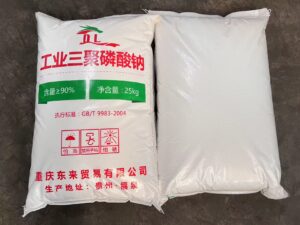
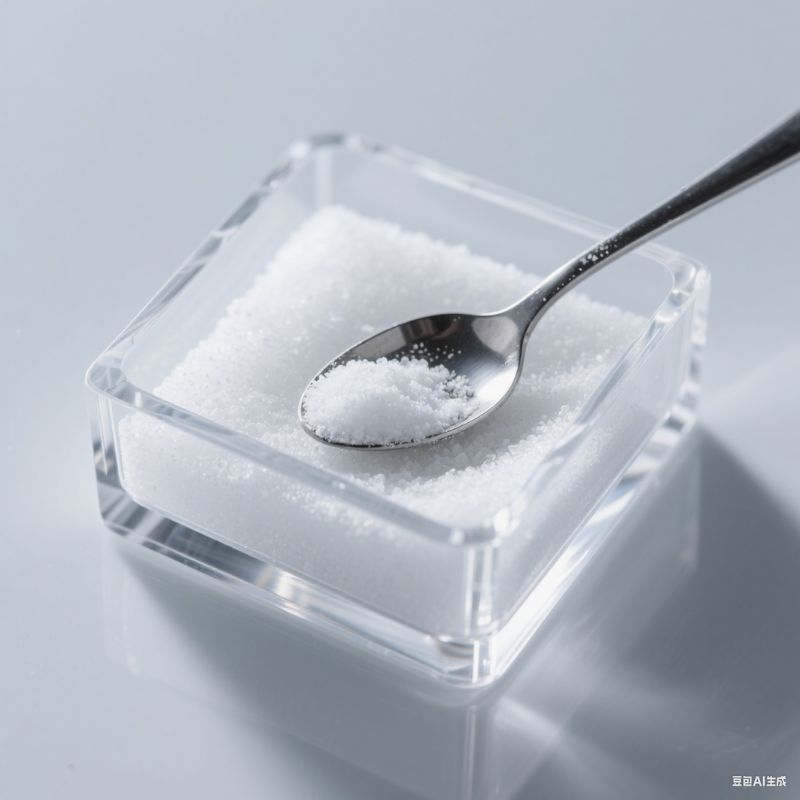
Sodium tripolyphosphate (STPP) is a phosphate-based inorganic compound commonly found in detergents, food preservatives, and water treatment processes. It acts as a water softener, emulsifier, and preservative. STPP binds calcium and magnesium ions, preventing water hardness and improving cleaning efficiency.
Chemical Properties of STPP:
PropertyValue
Chemical Formula Na5P3O10
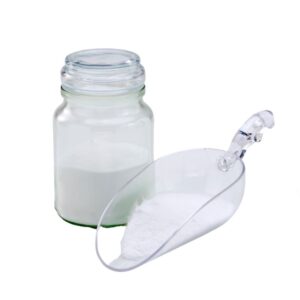
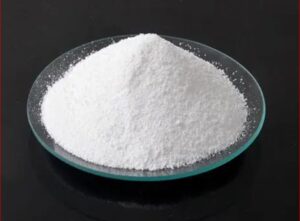
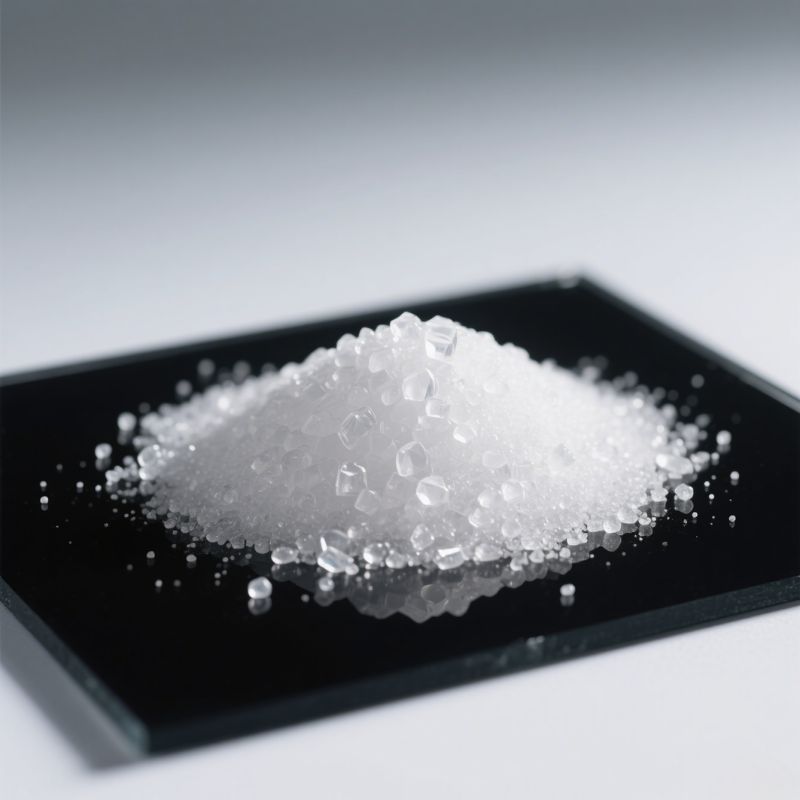
Appearance: White crystalline powder
Solubility Highly soluble in water
Common Uses Detergents, food industry, water treatment
Where Is Sodium Tripolyphosphate Used?
Sodium tripolyphosphate is used across various industries due to its water-softening, sequestering, and dispersing properties. Some of the key applications include:
- Detergents: STPP is a key ingredient in household and industrial detergents to improve cleaning efficiency.
- Food Industry: It is a food additive to retain moisture in seafood, poultry, and processed meats.
- Water Treatment: STPP helps in water purification by preventing scale formation.
- Pharmaceuticals: It is used in some medications as a stabilizing agent.
Is Sodium Tripolyphosphate Safe for Consumption?
Regulatory agencies like the FDA and EFSA approve sodium tripolyphosphate as a food additive. However, excessive intake can lead to potential health concerns, particularly for individuals with kidney problems. The acceptable daily intake (ADI) of phosphate-based additives, including STPP, is regulated to prevent overconsumption.
Safe Levels of STPP in Food
| Food Product | Maximum STPP Content |
|---|
| Processed Meat | 0.5% – 1.0% |
| Seafood | 0.3% – 0.5% |
| Dairy Products | 0.2% – 0.4% |
Health Effects of Sodium Tripolyphosphate
Short-Term Effects
- Mild irritation if STPP is inhaled or comes in contact with the skin.
- Gastrointestinal discomfort if consumed in large quantities.
Long-Term Effects
- Kidney health concerns: Excessive phosphate intake can lead to kidney problems.
- Bone health impact: High phosphate consumption may disrupt calcium absorption, affecting bone density.
- Cardiovascular risks: Some studies suggest a link between high phosphate levels and cardiovascular diseases.
Does Sodium Tripolyphosphate Contain Harmful Ingredients?
STPP itself is not toxic, but excessive phosphate intake can lead to health complications. The biggest concern is its effect on kidney function and calcium metabolism. Regulatory agencies monitor STPP levels in consumer products to ensure safety.
Is STPP Safe in Medications and Food Products?
Sodium tripolyphosphate is used in pharmaceuticals to stabilize formulations. In food products, it serves as a preservative and texture enhancer. Regulatory bodies like the FDA, EFSA, and WHO set guidelines to ensure safe usage.
Guidelines for STPP in Food and Pharmaceuticals
- The FDA classifies STPP as “Generally Recognized As Safe” (GRAS).
- The European Food Safety Authority (EFSA) limits phosphate intake to 40 mg/kg of body weight per day.
- WHO emphasizes monitoring phosphate additives in processed foods.
Environmental Impact of Sodium Tripolyphosphate
STPP can contribute to eutrophication, which depletes oxygen in water bodies, leading to excessive algae growth. This environmental impact has led to restrictions on its use in detergents and water treatment in certain countries.
How to Reduce STPP Environmental Impact:
- Using phosphate-free detergents.
- Regulating phosphate discharge from industrial wastewater.
- Promoting eco-friendly water treatment methods.
Is Phosphate Dangerous for Human Health?
Phosphate is an essential nutrient, but excessive intake can be harmful. The key concerns include:
- Calcium imbalance, which may affect bone density.
- Increased cardiovascular risks with high phosphate consumption.
- Kidney disease complications, as the kidneys must filter phosphates.
How to Reduce Exposure to Sodium Tripolyphosphate?
If you are concerned about phosphate intake, here are some practical steps to reduce exposure:
- Choose fresh, unprocessed foods over processed meats and seafood.
- Opt for phosphate-free detergents.
- Read product labels to avoid excessive phosphate additives.
- Stay hydrated to help kidneys filter excess phosphates.
Conclusion: Should You Be Concerned About STPP?
Sodium tripolyphosphate is safe when used within regulated limits. It serves essential functions in food preservation, cleaning products, and water treatment. However, excessive intake can pose health risks, particularly for individuals with kidney issues.
10 Key Takeaways
- Sodium tripolyphosphate is widely used in detergents, food, and water treatment.
- Regulatory agencies approve STPP for safe use in food and consumer products.
- Overconsumption of phosphate additives may lead to health risks.
- STPP binds to calcium and magnesium ions, improving cleaning efficiency.
- The FDA and EFSA regulate phosphate levels to ensure consumer safety.
- High phosphate intake may cause kidney issues and cardiovascular concerns.
- STPP can contribute to water pollution and eutrophication.
- Alternatives to STPP include phosphate-free detergents.
- Individuals with kidney disease should monitor phosphate intake.
- Moderation is key—consuming safe levels of STPP is generally harmless.
For more information, visit Sodium Tripolyphosphate.