What is sodium tripolyphosphate used for?
Sodium tripolyphosphate (STPP) is a multifunctional additive: it preserves moisture in seafood, prevents spoilage in processed meats, and boosts detergent efficiency. Is it safe? Find out here.
“The water content of a marinated steak can be increased by 20%, the yield of ham by 15%, and the dehydration loss of frozen shrimp reduced by 30% — sodium tripolyphosphate (STPP) is behind these changes.”
According to the Global Food Additives Market Report (2023), 72% of processed meat products worldwide use phosphate water retainers. Among them, STPP dominates due to its cost-effectiveness and functionality.
However, controversy has emerged:
EU reduced STPP limits in meat from 5g/kg to 3g/kg (2022)
EWG (U.S.) listed it as a “medium-risk additive”
This article dissects STPP’s role across science, regulation, and industrial practice.
STPP (Na₅P₃O₁₀) improves water retention through:
Ion exchange: Na⁺ replaces Ca²⁺/Mg²⁺ in proteins, expanding molecular spacing
pH elevation: Raises muscle pH from 5.5 → 6.2, increasing hydration
Chelation: Binds iron/copper ions to delay oxidation and spoilage
| Group | Thawing Water Loss | Yield Improvement |
|---|---|---|
| Control | 18.7% | – |
| STPP Treated | 6.2% | +12.5% |
Source: China Agricultural University, 2021
Meat Processing:
Ham/Sausage: Add 0.2–0.5% STPP → yield ↑10–15%
Steak Prep: STPP + Sodium Pyrophosphate = tender texture
Seafood Preservation:
Frozen Shrimp: Prevents freeze burn
Sashimi: Paired with potassium sorbate to suppress microbes
Frozen Foods:
Dumpling Fillings: Reduces juice loss caused by ice crystal rupture
“STPP gives low-grade meat high-grade water retention — a must for cost control,” says a meat factory technical director.
Calcium Metabolism Theory:
STPP may bind calcium, affecting bones.
➤ JECFA ADI: 70mg/kg body weight
→ A 60kg adult = 4.2g/day tolerance
→ Real food intake ≈ 0.5g/kg or less
Kidney Burden Debate:
Long-term excessive intake may harm kidneys (in animals),
but FDA: “No direct evidence within legal limits.”
| Region | Use Scope | Max Addition (g/kg) | Label Requirement |
|---|---|---|---|
| China | Meat, seafood, etc. | “Use as needed” (GB 2760) | Must state “sodium tripolyphosphate” |
| EU | Limited meat products | 3g/kg (as P₂O₅) | Must state “contains phosphates” |
| USA | GRAS status | Follow GMP | May list as “preservative” |
EU: “Daily intake nears ADI.”
US: “Insufficient evidence to restrict.”
Survey:
78% of Europeans believe “fewer chemical names = better” (Mintel, 2023)
Market Response:
China: “Phosphate-free” hams ↑ 230% in annual sales (Tmall, 2023)
Spain: Campofrío’s “Clean Label Ham” (seaweed extract replaces 50% STPP)
USA: Tyson invested $20M in electric field water retention tech → 80% phosphate reduction
| Alternative | Effectiveness (STPP = 100%) | Cost × STPP | Limitation |
|---|---|---|---|
| Citrus Fiber | 85% | 3.2× | Volatile at high temp |
| Konjac Gum | 78% | 2.8× | Sticky taste |
| Lecithin | 65% | 4.5× | Poor protein compatibility |
Source: IUFoST Report, 2022
Enzymatic Hydrolysis:
Ajinomoto’s Protease AX: Releases hydrophilic groups → needs only 0.1% STPP
Physical Modification:
GEA’s High-Pressure System (500 MPa): Restructures fibers → ↓ phosphate dependence by 30%
“5–10 years before STPP is fully replaced. The future is ‘reduction + compounding,’” — Li Ming, VP, China Food Additives Association
EU: Plans to cut phosphate limits by 20% more by 2025
China: 14th Five-Year Plan supports compound phosphate R&D
Phosphate alternatives to grow from $1.8B (2023) → $4.1B (2030)
(CAGR 12.3%)
The STPP controversy highlights the clash between industrial convenience and consumer consciousness.
Producers must invest in reduction technology while ensuring compliance
Consumers should stay informed, not fearful
“STPP is safe within limits, but long-term monitoring is essential.” — WHO

Sodium tripolyphosphate (STPP) is a multifunctional additive: it preserves moisture in seafood, prevents spoilage in processed meats, and boosts detergent efficiency. Is it safe? Find out here.

This article examines how raw‑material purity, plant upgrades, and regulatory trends shape the global supply and capacity outlook for food‑grade sodium tripolyphosphate.

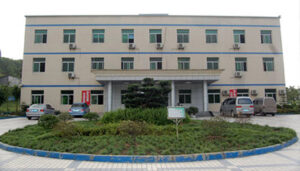
The Guguye Phosphate Production Base in Guizhou, China, utilizes local phosphate resources to produce chemicals like yellow phosphorus and STPP. Committed to sustainability, it aims for zero wastewater discharge and a circular economy model.

Sodium tripolyphosphate improves food texture, yield, and shelf life, making it a vital additive in industrial food processing.

Sodium Tripolyphosphate (STPP) is a versatile phosphate additive derived from phosphoric acid, widely used in detergents, food preservation, and industrial processes.

Sodium tripolyphosphate (STPP) is widely used as a food additive in processed foods—international authoritative organizations such as the FDA and WHO have recognized its safety. However, the Acceptable Daily Intake (ADI) standard must be followed, and consumers can make scientific choices by reading the ingredient list.
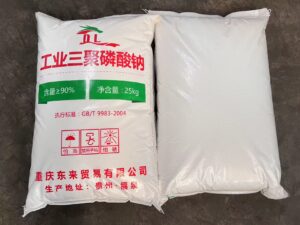
Global food-grade sodium tripolyphosphate (STPP) prices in Q4 2025 remain stable with slight increases driven by higher energy and logistics costs, while demand from meat and seafood processing sustains market balance.

A professional and educational overview of tripolyphosphate (STPP), explaining its composition, manufacturing process, applications, safety profile, and sustainability trends.
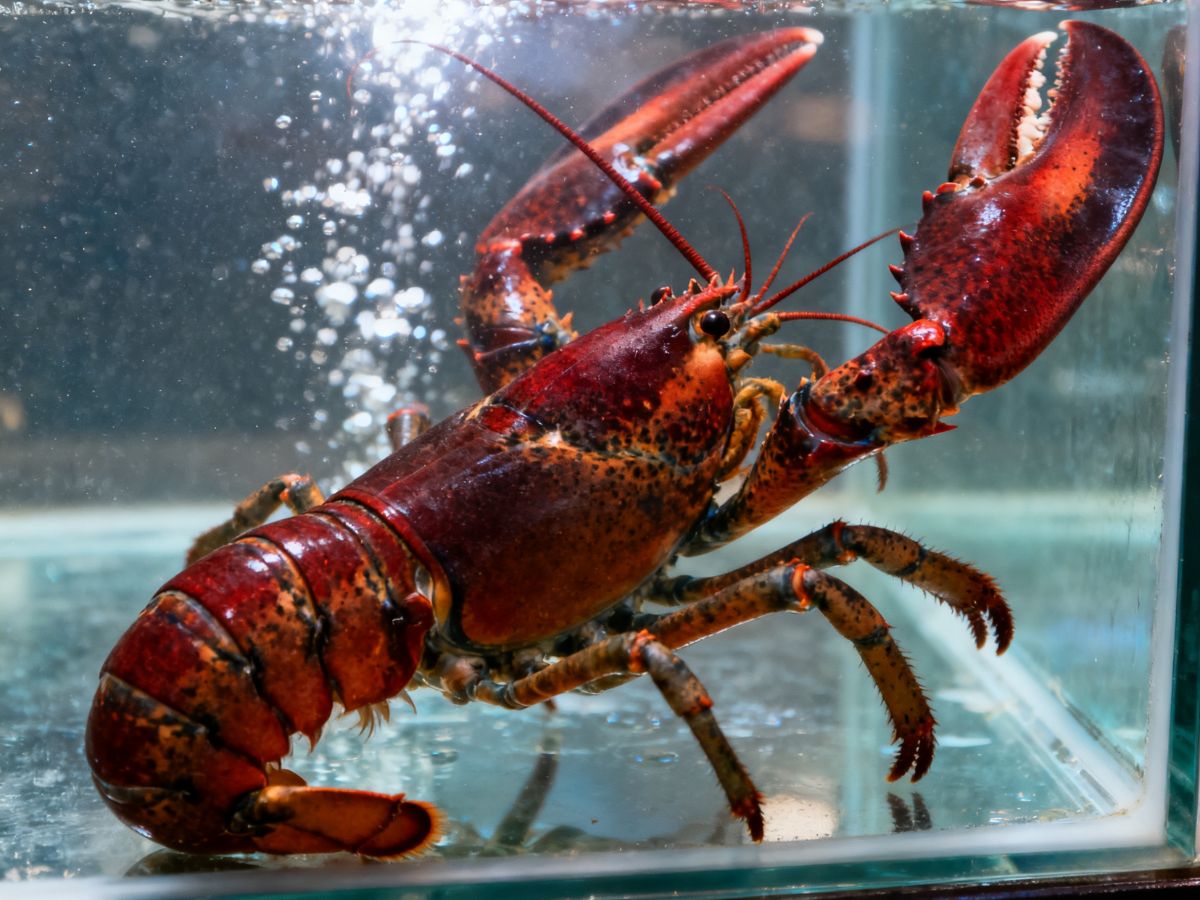
A professional and educational overview of tripolyphosphate (STPP), explaining its composition, manufacturing process, applications, safety profile, and sustainability trends.

This guide provides insights into the technological advances, regulatory frameworks, and cost factors affecting food and aquatic products, highlighting sustainability challenges and opportunities in 2025.
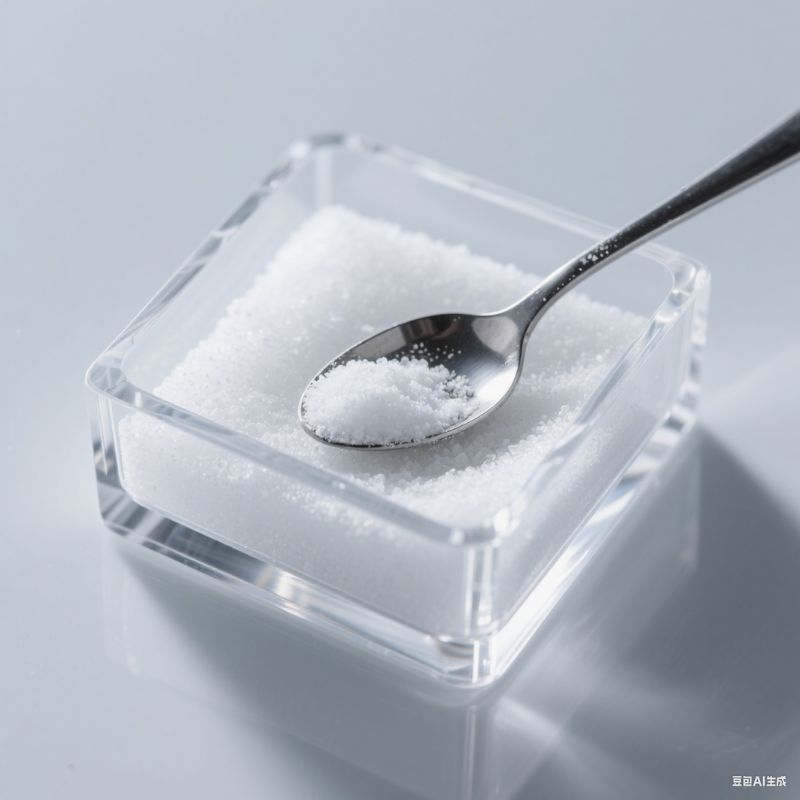
This guide covers the uses, benefits, risks, dosages, and health concerns of polyphosphates in food, with an overview of regulatory standards and emerging alternatives.
WhatsApp us