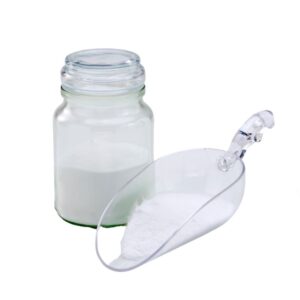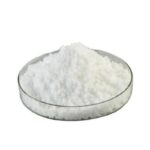
What is Sodium Tripolyphosphate
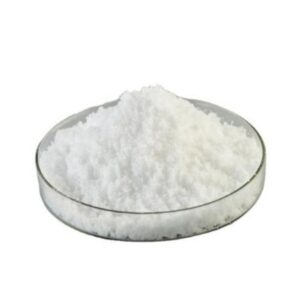
Sodium Tripolyphosphate (STPP) is a widely used sodium-based compound critical in various industries, from detergents and water treatment to food processing and pharmaceuticals.
How to make use of polyphosphates correctly is critical to make certain both the safety and the performance of the final product. This useful guide offers details on the suitable dosages, procedures, and applications of polyphosphates in food.
Polyphosphates are salts derived from phosphoric acid, containing chains of phosphate units (PO ₄). They are normally identified into two types:.
In food handling, polyphosphates are largely used as food additives under the E-number E452 . They serve several features, such as water retention, emulsification, and preservation, and are necessary in several food applications.
Polyphosphates are utilized for:.
The precise dose of polyphosphates to utilize in food processing depends upon the type of food, the designated impact, and the certain formula. Below are some general guidelines for does:.
When incorporating polyphosphates into food, it’s crucial to follow the best procedure to ensure safety, effectiveness, and consistency. Below is a functional guide on just how to use polyphosphates in food production:.
Dissolution : Polyphosphates are normally provided as powders or granules. To guarantee even circulation in food, polyphosphates must be dissolved in cold or warm water prior to usage.
Utilize a clean container to prepare a solution. For instance, liquify 1 kg of polyphosphate in 10 liters of water for a typical batch.
Shot or Tumbling (for meats and poultry) : For moisture retention, polyphosphate remedies are commonly infused into the meat or applied during rolling.
Shot : Use an injector system to distribute the polyphosphate remedy evenly throughout the meat. This approach prevails for items like ham, turkey breast, and sausages.
Rolling : Polyphosphate remedy can be added to meat in a stemless glass where the meat is perturbed for an amount of time (commonly 15– thirty minutes). This assists the service to permeate and bind with the meat fibers, boosting water retention.
Soaking (for seafood) : Saturating seafood in a polyphosphate solution can aid in binding moisture and protect against dehydration. For instance, shrimp can be taken in a 1– 2% polyphosphate remedy for 10– 15 mins prior to freezing or product packaging.
For refined cheese or cheese sauces:.
While polyphosphates are normally considered safe when used within governing limitations, it is necessary to check their use meticulously:.
Polyphosphates are an important tool in food processing, enhancing the structure, look, and shelf life of various items. Correct dose and appropriate application treatments are crucial to maximizing their advantages while ensuring the safety and security and top quality of the final product. By complying with the ideal standards and comprehending the features of polyphosphates, food manufacturers can produce high-grade products that meet customer expectations for preference, structure, and freshness.
Just like any type of preservative, it’s essential to remain informed about the current laws and safety and security suggestions to guarantee responsible use in food manufacturing.

Sodium Tripolyphosphate (STPP) is a widely used sodium-based compound critical in various industries, from detergents and water treatment to food processing and pharmaceuticals.

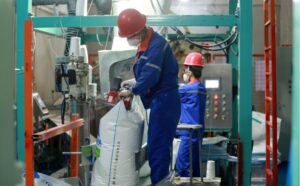
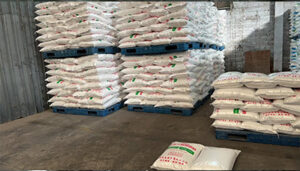
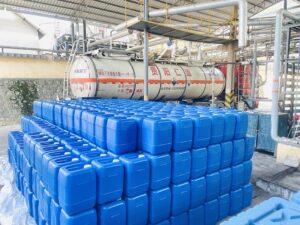
Goway Fuquan Plant is ramping up production to meet the demands of the second quarter’s orders. With all production lines running at full capacity, the company is focused on delivering high-quality phosphate-based products to domestic and international markets.

Sodium Tripolyphosphate (STPP): A detailed analysis of its chemical properties, industrial uses, and essential safety guidelines for handling and application.

On December 18, the State Secretary of Qian’nan Province visited Goway Fuquan to review the company’s progress toward meeting its quarterly and annual goals, as well as to guide the company’s green development efforts in the phosphate industry.

Sodium Tripolyphosphate Environmental Impact: A deep dive into STPP-induced water eutrophication and effective wastewater treatment solutions to mitigate pollution and protect ecosystems.

Sodium Tripolyphosphate (STPP) revolutionized detergents but caused eutrophication. Discover its history, environmental bans, and modern phosphate-free alternatives.

STPP enhances laundry performance through calcium/magnesium ion sequestration, soil suspension optimization, and enzyme/pH stabilization, delivering superior cleaning efficacy and fabric care.

Goway Fuquan has built a leading “central kitchen” for the deep processing of yellow phosphorus slag, transforming waste into valuable products. Through innovative approaches, the company is enhancing its green development initiatives, driving both environmental and economic growth.
Factory‑direct supply of food‑grade STPP with free samples, fast delivery and certified quality for global food‑processing applications

This guide provides insights into the technological advances, regulatory frameworks, and cost factors affecting food and aquatic products, highlighting sustainability challenges and opportunities in 2025.

This guide covers the uses, benefits, risks, dosages, and health concerns of polyphosphates in food, with an overview of regulatory standards and emerging alternatives.

This article examines how raw‑material purity, plant upgrades, and regulatory trends shape the global supply and capacity outlook for food‑grade sodium tripolyphosphate.

Global food-grade sodium tripolyphosphate (STPP) prices in Q4 2025 remain stable with slight increases driven by higher energy and logistics costs, while demand from meat and seafood processing sustains market balance.

Global food-grade sodium tripolyphosphate (STPP) prices in Q4 2025 remain stable with slight increases driven by higher energy and logistics costs, while demand from meat and seafood processing sustains market balance.

Sodium tripolyphosphate (STPP) remains an essential multifunctional additive in food processing.

Overview of Sodium Tripolyphosphate (STPP) in Food Applications

Polyphosphates are typically used in the food sector for their capability to improve the texture, look, and service life of numerous items.

Sodium tripolyphosphate (STPP) and various other phosphate ingredients prevail in today’s food landscape– but just how much do we truly know about what we’re taking in?

Sodium Tripolyphosphate (STPP) serves as a crucial food additive that improves texture, moisture retention and shelf life in processed seafood and meat products.

Sodium tripolyphosphate improves food texture, yield, and shelf life, making it a vital additive in industrial food processing.

Sodium tripolyphosphate boosts food yield and texture but faces rising scrutiny over health and safety, prompting regulation and innovation across the industry.

Food Grade Sodium Tripolyphosphate: A detailed purchase guide comparing suppliers and highlighting its essential applications in the food industry.

Sodium tripolyphosphate (STPP) is widely used as a food additive in processed foods—international authoritative organizations such as the FDA and WHO have recognized its safety. However, the Acceptable Daily Intake (ADI) standard must be followed, and consumers can make scientific choices by reading the ingredient list.

Sodium tripolyphosphate (STPP) is a common chemical compound used in detergents, food processing, and industrial applications.
WhatsApp us