Salt tripolyphosphate (STPP) is an important active ingredient utilized in a selection of applications consisting of detergents, food conservation, and industrial processes. Derived from phosphoric acid and different salt substances, STPP is produced with thoroughly managed chain reaction and drying techniques. In today’s deep dive, we explore how STPP is made– looking carefully at various production techniques such as those including wet procedure phosphoric acid , furnace process phosphoric acid , and even single-stage approaches recently detailed in Google Patents .
This post is worth checking out if you’re a chemical engineer, industry expert, and even an interested learner thinking about exactly how daily compounds like sodium triphosphate and STPP come to life. We’ll stroll you through necessary action in STPP production, the chemistry behind it, and why the method made use of (such as timeless spray technique or rotary calcination ) impacts the end product’s top quality, solubility, and use.
1. What is Sodium Tripolyphosphate (STPP) and Why Is It Vital?
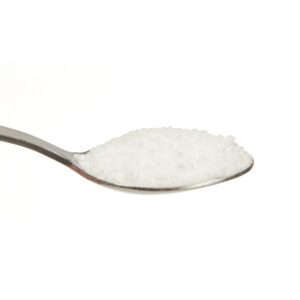
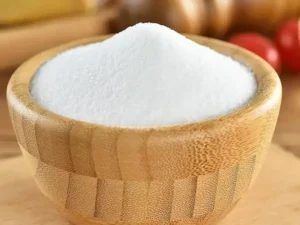
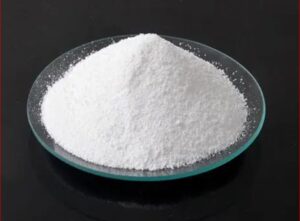
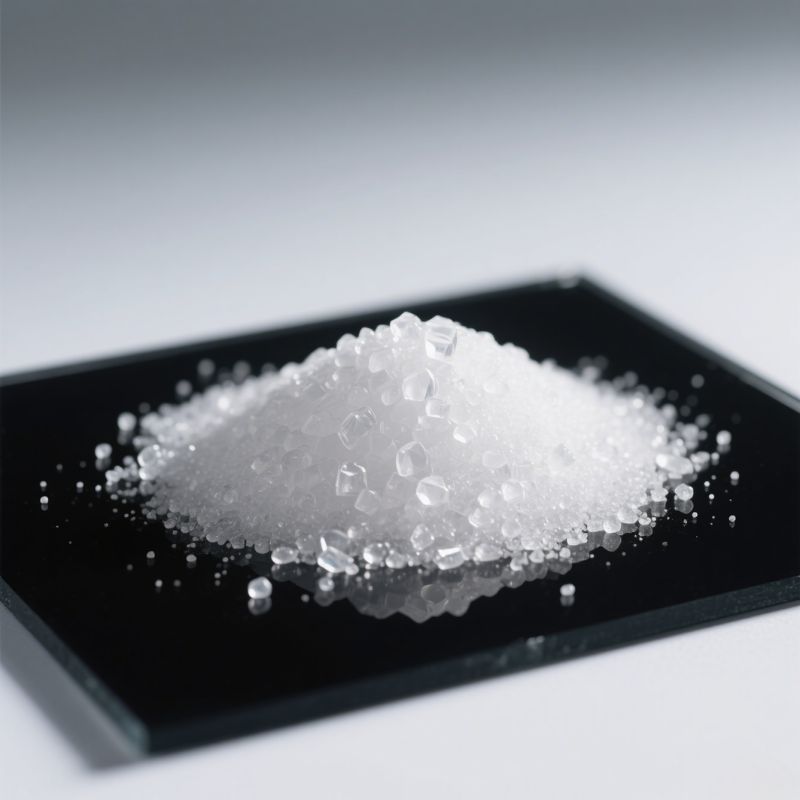
Sodium tripolyphosphate, or STPP , is a sodium salt of the polyphosphate group with the chemical formula Na five P SIX O ₁₀ . It appears as a crystalline , white powder and is soluble in water . Known for its ability to bind magnesium and calcium ions, STPP is commonly made use of as a water softener in cleaning agents , aiding in improving the cleansing performance in difficult water .
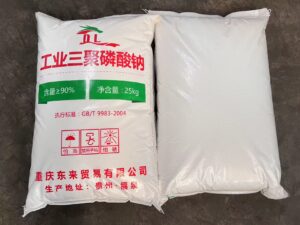
In the food sector , STPP is a food-grade additive that aids in wetness retention and preservation , particularly in seafood and meat processing. Its commercial energy spans from being a dispersant in ceramics to a sequestrant in water treatment. Comprehending the manufacturing procedure of sodium tripolyphosphate is important because the chemical purity and solubility of STPP impact its application performance.
2. How Is STPP Made from Phosphoric Acid and Salt Compounds?
The standard process for creating sodium tripolyphosphate entails reacting phosphoric acid with sodium substances such as sodium carbonate , sodium hydroxide, or sodium bicarbonate . The neutralization of phosphoric acid normally results in disodium phosphate and monosodium phosphate , which are then thermally dealt with to create STPP.
This response is commonly done in a rotating calciner , where the mixture is warmed to temperature levels surpassing 300 ° C. The anhydrous product created– salt tripolyphosphate– can be either food-grade or technological grade sodium tripolyphosphate , depending on the high quality of the raw materials and control of impurity degrees like magnesium and silicon .
3. What’s the Difference Between Heating System Process and Damp Process Phosphoric Acid?
Two primary sources of phosphoric acid utilized in STPP manufacturing are the heating system process phosphoric acid and wet procedure phosphoric acid . The furnace procedure creates very pure acid by shedding important phosphorus , leading to fewer impurities , which is chosen for making quality sodium tripolyphosphate .
On the other hand, the wet procedure phosphoric acid originates from sulfuric acid treatment of phosphate rock. This method is extra cost-effective and widely made use of but presents impurities like magnesium , calcium , and fluorides , which impact the final STPP item . For that reason, STPP made from heater process phosphoric acid is commonly purer and ideal for food applications , while STPP from wet process needs extra filtration actions.
4. STPP from Damp Refine Phosphoric Acid: Is It Food Quality?
While STPP made from the damp procedure can technically be brought up to food-grade requirements, it commonly calls for comprehensive purification. The visibility of water and high concentrations of contaminations such as magnesium , calcium , and silicon add to turbidity and minimize solubility .
Recent Google Patents highlight strategies to fine-tune wet process phosphoric acid by careful precipitation or purification techniques. One approach entails making use of distilled water to minimize turbidity in liquid solutions having STPP , making the resulting sodium tripolyphosphate suitable for cleansing agents and perhaps food use if pollutant levels are controlled.
5. Just how Does the Classic Spray Method Work in STPP Production?
The traditional spray technique involves preparing an option of disodium phosphate and monosodium phosphate , followed by spray drying the solution in a warmed chamber. The service is sprayed as a fine haze, and the droplets are thermally treated, helping with the formation of sodium tripolyphosphate .
This approach supplies exceptional control over bit size and solubility , producing a crystalline , top notch STPP. The classic spray method is particularly reliable when the resources made use of are of high quality and phosphoric acid to develop the phosphate is properly purified.
6. What Is the Single-Stage Method for STPP Production?
The single-stage method , likewise referred to as the one-step method , simplifies the traditional multi-step response and drying procedure into a constant flow. In this procedure, phosphoric acid with salt compounds is directly reacted and afterwards fed into a rotary kiln , generating sodium tripolyphosphate in a much more reliable and less energy-intensive way.
According to current patents, this approach is excellent for industrial-scale STPP production , providing benefits in consistency and throughput. It removes the requirement for intermediate drying out and reheating, decreasing production prices and reducing impurity generation.
7. How Are Liquid Solutions Containing STPP Dealt With?
Liquid solutions having STPP are often utilized in formulas of detergents and cleaning up representatives . The liquify rate of salt tripolyphosphate in water, its capacity to remain clear (i.e., low turbidity ), and its compatibility with various other ingredients determine its performance in formulas.
Water without significant levels of magnesium or calcium boosts the solubility of STPP. If pollutants exist, chelation responses could form undesirable precipitates. Thus, controlling the aqueous service pH and making use of distilled water are typical techniques to make sure clarity and efficiency of the remedy.
8. What Are the Typical Pollutants and How Do They Impact STPP?
Contaminations in STPP, such as magnesium , calcium , silicon , and iron , can stem from the phosphoric acid or the sodium substance made use of. These elements add to turbidity , decrease solubility , and can result in formation of unfavorable spin-offs.
To lessen these, suppliers may implement neutralization steps, purification, or use higher-purity salt carbonate , salt bicarbonate , or soft drink ash . In some approaches, a calcine step is made use of to drive off unstable impurities, ensuring the final STPP item meets food quality or industrial standards .
9. Is There a Better Approach? Comparing STPP Made from Heating System vs Damp Process
When it pertains to the high quality of the resulting sodium tripolyphosphate, the resource of phosphoric acid is a decisive aspect. STPP made from the wet procedure usually suffers from lower pureness and turbidity problems, making it less desirable for food-grade or sensitive applications.
Alternatively, STPP made from furnace procedure acid often tends to have fewer contaminations , greater solubility , and better efficiency in aqueous options . While extra expensive, the sodium tripolyphosphate gotten from the heater process is excellent for premium or food-grade makes use of.
10. What Can Google Patents Tell the United States About Innovations in STPP Manufacturing?
A testimonial of Google Patents exposes countless developments in the production of STPP , focusing on power effectiveness , contamination removal , and single-stage procedure optimizations . New methods often focus on improving the produce , solubility , and minimizing the price of STPP, especially when utilizing wet process phosphoric acid .
Some patents suggest making use of triphosphoric acid , sodium hydroxide , and customized spray drying out strategies to accomplish remarkable sodium tripolyphosphate production with fewer actions. Others explore rotating furnaces with temperature level control and regulated atmosphere for much better sodium triphosphate yield and crystalline product kind.
Secret Takeaways
- Sodium tripolyphosphate (STPP) is an essential active ingredient in detergents, water treatment, and food processing, made from phosphoric acid and salt substances.
- STPP can be created making use of heater procedure or wet procedure phosphoric acid ; the former lead to a purer item.
- Methods like the timeless spray approach , single-stage approach , and rotating kiln processes are utilized in industrial STPP manufacturing.
- Impurities such as magnesium , calcium , and silicon affect turbidity and solubility , specifically in liquid options .
- Google Patents showcase innovations in energy-efficient and high-purity salt tripolyphosphate production methods.
- STPP made from the damp procedure can be upgraded to food grade , yet it requires mindful purification.
- STPP is soluble in water and reliable in cleaning up agents , particularly where water softening is required.
- Careful choice of resources utilized , including disodium phosphate and monosodium phosphate , guarantees top-notch final result.