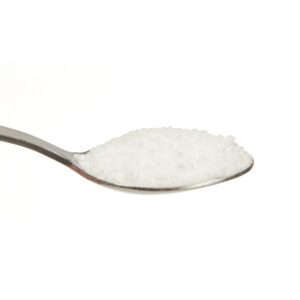
The Role of Sodium Tripolyphosphate (STPP) in Toothpaste: Benefits and Applications
Sodium Tripolyphosphate (STPP) improves toothpaste performance by preventing tartar buildup, removing stains, and protecting tooth enamel.
Sodium Tripolyphosphate (STPP) improves toothpaste performance by preventing tartar buildup, removing stains, and protecting tooth enamel.
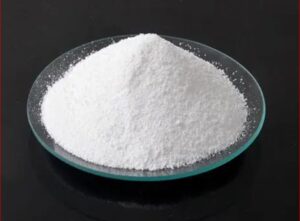
Sodium Tripolyphosphate (STPP) serves as a crucial food additive that improves texture, moisture retention and shelf life in processed seafood and meat products.

Goway Fuquan has built a leading “central kitchen” for the deep processing of yellow phosphorus slag, transforming waste into valuable products. Through innovative approaches, the company is enhancing its green development initiatives, driving both environmental and economic growth.
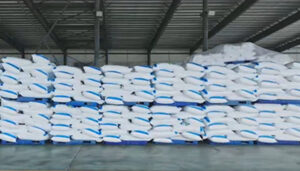
Sodium Tripolyphosphate (STPP) is a versatile phosphate additive derived from phosphoric acid, widely used in detergents, food preservation, and industrial processes.
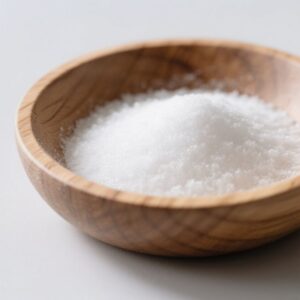
Global food-grade sodium tripolyphosphate (STPP) prices in Q4 2025 remain stable with slight increases driven by higher energy and logistics costs, while demand from meat and seafood processing sustains market balance.
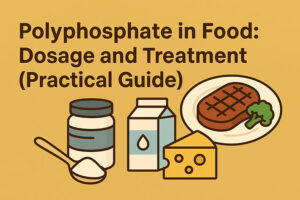
Polyphosphates are typically used in the food sector for their capability to improve the texture, look, and service life of numerous items.

Sodium tripolyphosphate (STPP) effectively softens water in detergents while serving as a preservative in food applications, demonstrating remarkable versatility.
STPP enhances laundry performance through calcium/magnesium ion sequestration, soil suspension optimization, and enzyme/pH stabilization, delivering superior cleaning efficacy and fabric care.
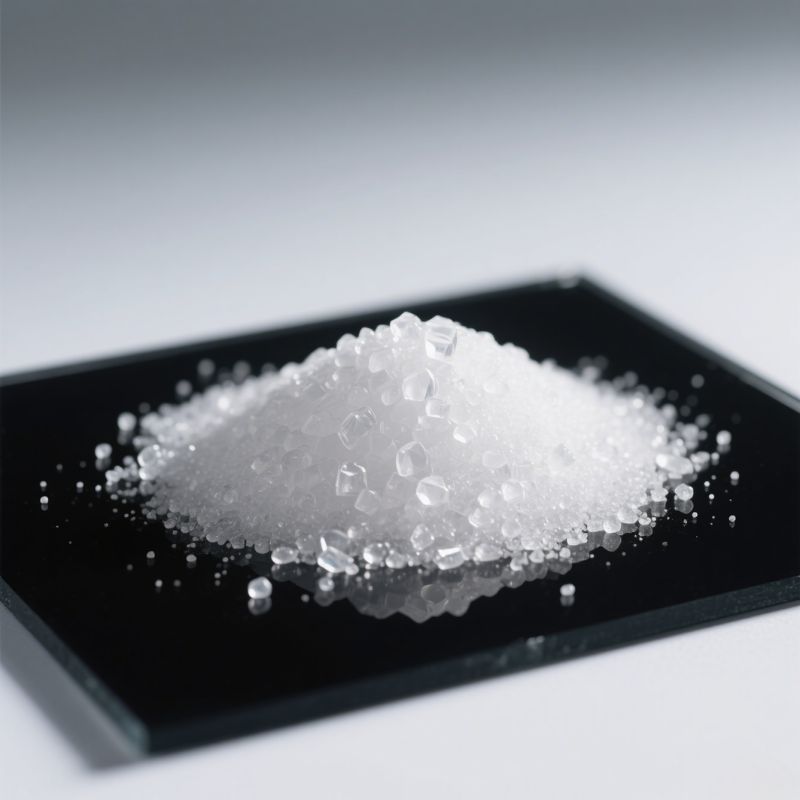
A professional and educational overview of tripolyphosphate (STPP), explaining its composition, manufacturing process, applications, safety profile, and sustainability trends.

This guide provides insights into the technological advances, regulatory frameworks, and cost factors affecting food and aquatic products, highlighting sustainability challenges and opportunities in 2025.
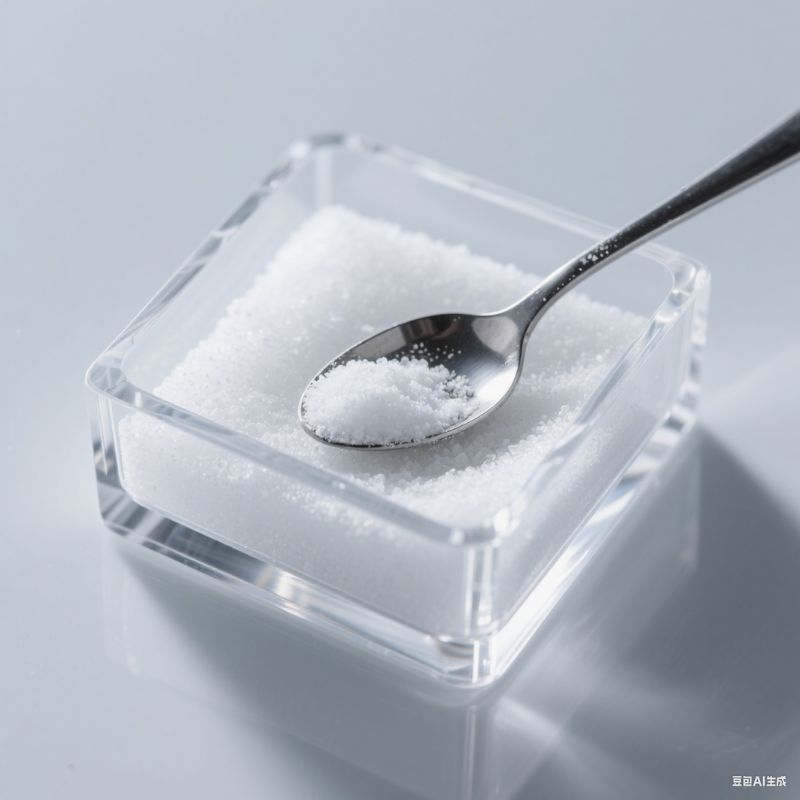
This guide covers the uses, benefits, risks, dosages, and health concerns of polyphosphates in food, with an overview of regulatory standards and emerging alternatives.