What Is Sodium Tripolyphosphate Used For? Comprehensive Guide
Understanding its uses and benefits is essential for industries seeking efficiency, cost-effectiveness, and quality enhancement. This guide explores sodium tripolyphosphate’s applications, properties, health effects, and environmental considerations.
What Is Sodium Tripolyphosphate?
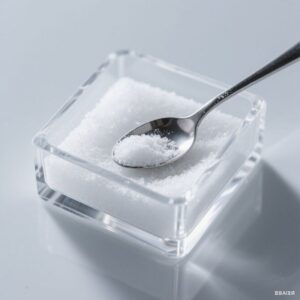
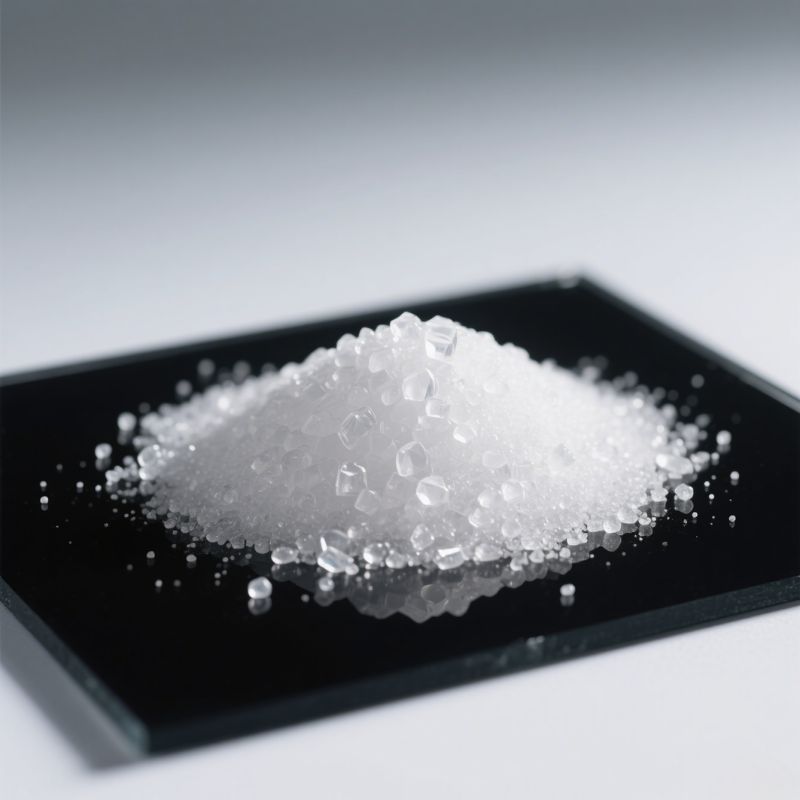
Sodium tripolyphosphate (STPP) is a phosphate-based inorganic compound used in various industrial processes. It enhances cleaning efficiency, water quality, and food preservation.
Chemical Properties:
| Property | Value |
|---|
| Chemical Formula | Na5P3O10 |
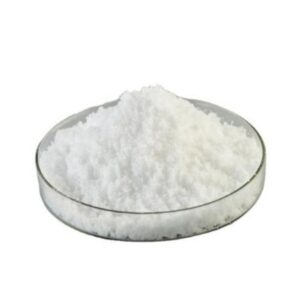
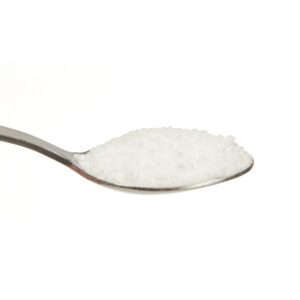
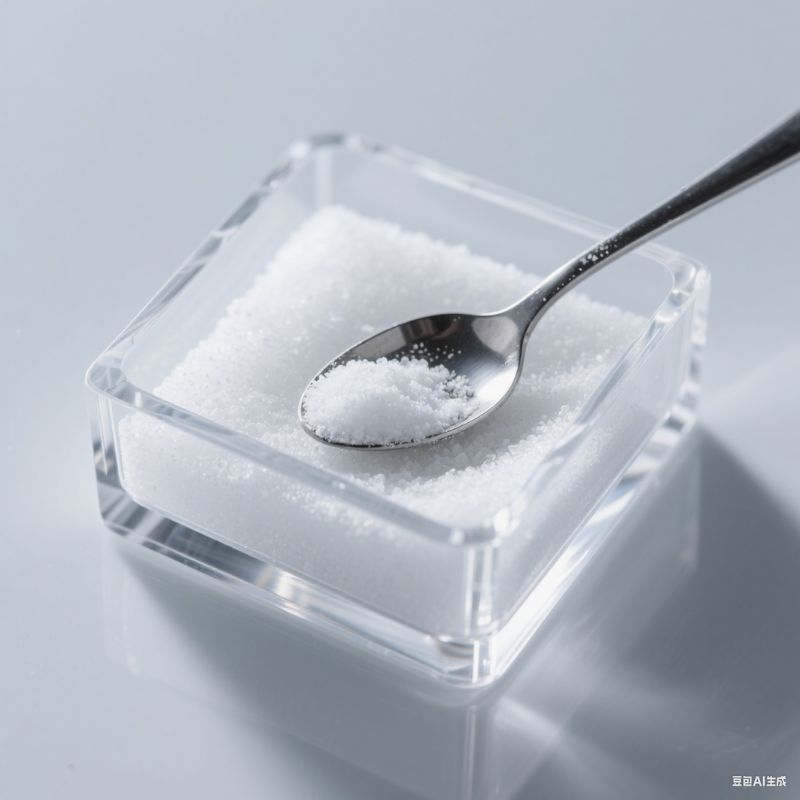
| Appearance | White crystalline powder |
| Solubility | Highly soluble in water |
| Common Uses | Detergents, food processing, ceramics, water treatment |
How Is Sodium Tripolyphosphate Used in Detergents?
STPP is a key component in modern detergents due to its ability to:
- Soften water, preventing interference from calcium and magnesium ions.
- Improve stain removal in laundry and dishwashing applications.
- Enhance the performance of surfactants, increasing cleaning efficiency.
For manufacturers in the detergent industry, STPP provides cost-effective formulation enhancements, reducing the need for excess surfactants.
Why Is STPP Important in Water Treatment?
Water treatment facilities use sodium tripolyphosphate to:
- Prevent scale buildup in pipes and boilers.
- Improve water clarity by sequestering heavy metal ions.
- Enhance filtration efficiency, ensuring safe drinking water.
Many municipal and industrial water treatment processes rely on STPP for long-term operational benefits.
How Does STPP Enhance Processed Meat and Seafood?
Food-grade sodium tripolyphosphate is a widely used food additive in processed meats and seafood. It helps to:
- Retain moisture, improving texture and juiciness.
- Enhance shelf life by reducing bacterial growth.
- Maintain natural color in meats and seafood.
This makes it a vital additive in the meat processing industry.
STPP in Poultry Processing: Benefits and Concerns
STPP is used in poultry products for moisture retention and improved tenderness. Key benefits include:
- Reducing cooking loss and preserving product weight.
- Preventing protein breakdown and maintaining meat structure.
- Enhancing flavor and freshness.
However, regulatory agencies monitor STPP levels to meet food safety standards.
The Role of STPP in Ceramic and Building Materials
Ceramic manufacturers and building material companies rely on STPP for:
- Improved clay dispersion, making ceramics easier to mold.
- Strengthening cement-based materials.
- Enhancing binding properties in tile and porcelain manufacturing.
For industrial buyers, STPP improves production efficiency and final product quality.
Is Sodium Tripolyphosphate Safe for Consumption?
The FDA and EFSA classify STPP as Generally Recognized As Safe (GRAS) when used within approved limits. However, excessive intake of phosphates may cause:
- Calcium imbalances affecting bone density.
- Kidney function issues, particularly in individuals with pre-existing conditions.
- Mild gastrointestinal discomfort in sensitive individuals.
Environmental Effects of STPP Usage
The widespread use of phosphates, including STPP, can contribute to eutrophication, leading to excessive algae growth in water bodies. Many regions regulate phosphate levels in detergents and water treatment to mitigate this.
What Are the Health Effects of STPP Exposure?
STPP exposure is generally safe, but prolonged contact may lead to:
- Mild skin irritation in sensitive individuals.
- Respiratory discomfort if inhaled in large amounts.
- Allergic reactions, though rare, can occur in susceptible individuals.
Proper protective gear is recommended for workers handling industrial-grade STPP.
How to Source High-Quality STPP for Industrial Use?
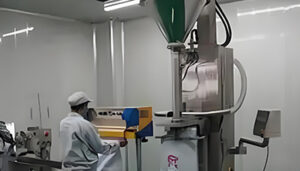
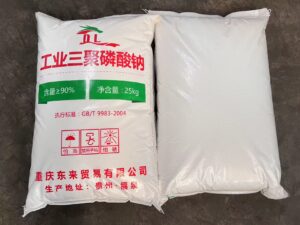
For detergent, food, ceramic, and water treatment companies, sourcing high-purity STPP ensures better performance and compliance with regulations. Our manufacturing plant offers:
- Strict quality control processes to maintain purity.
- Competitive pricing for bulk orders.
- Reliable supply chain management.
Conclusion: Key Takeaways
- STPP is a versatile compound used in detergents, food, ceramics, and water treatment.
- It improves cleaning efficiency by softening water and enhancing surfactants.
- Food-grade STPP enhances moisture retention in meat, poultry, and seafood.
- Ceramic and building material manufacturers use STPP for better product formulation.
- Water treatment facilities depend on STPP for scale prevention and filtration.
- Regulatory agencies approve STPP but monitor its environmental impact.
- Excessive phosphate consumption may affect kidney and bone health.
- STPP contributes to water pollution, requiring controlled usage.
- Workers handling STPP should use protective measures.
- High-quality STPP ensures better industrial performance and compliance.
For more details, visit Sodium Tripolyphosphate.