Polyphosphate in Food: Dosage and Treatment (Practical Guide).
Polyphosphates are typically used in the food sector for their capability to improve the texture, look, and service life of numerous items.
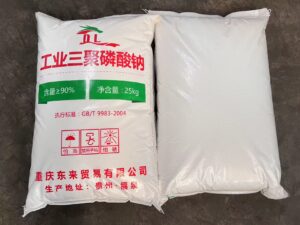
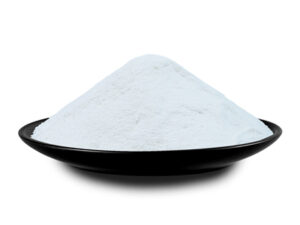
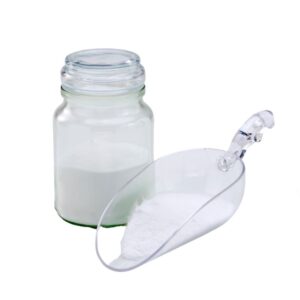
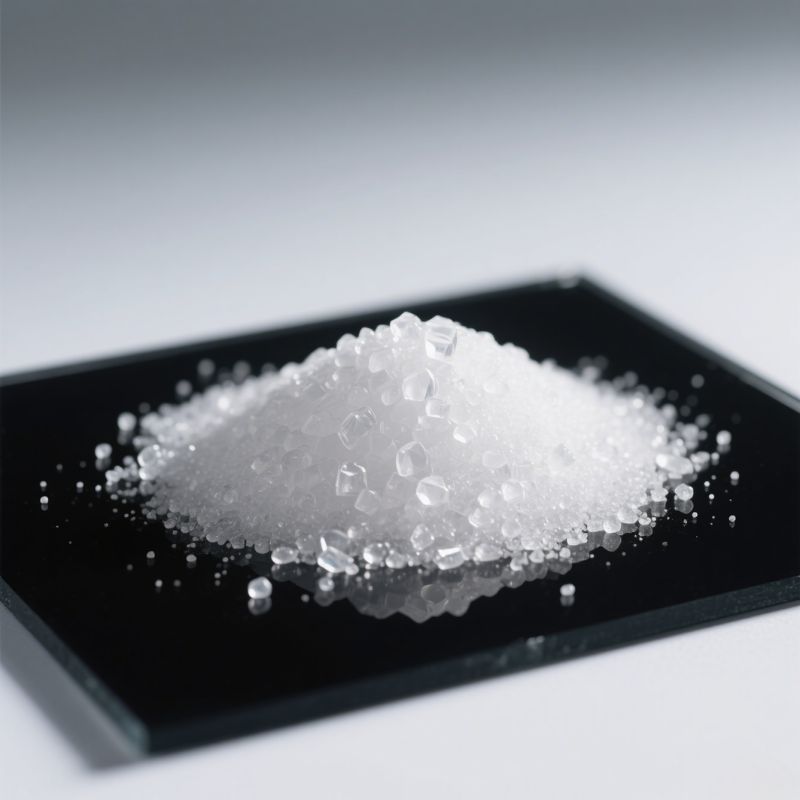
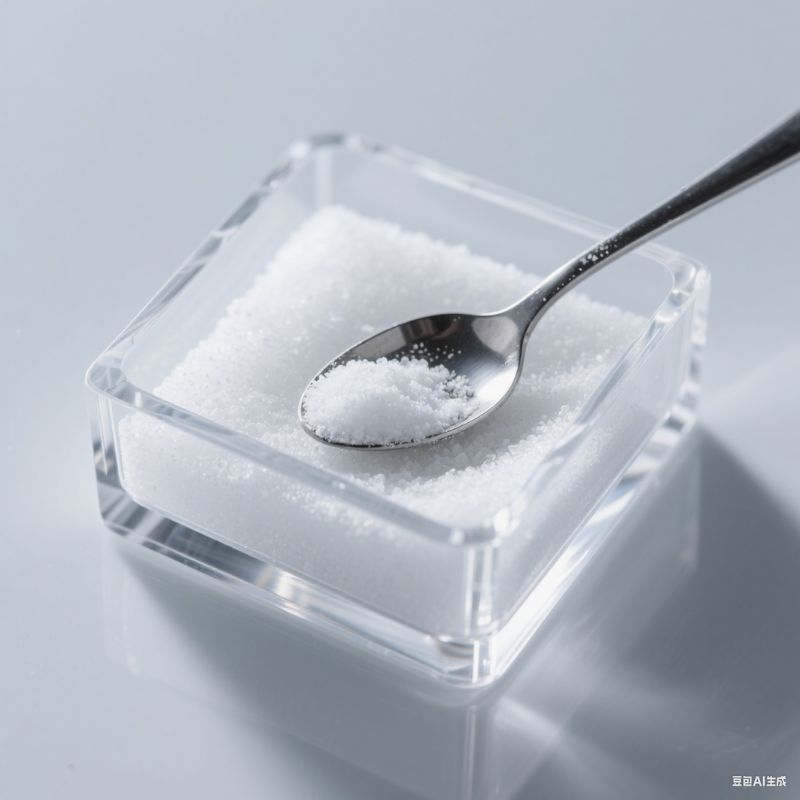
Sodium tripolyphosphate (Na₅P₃O₁₀) is a water-soluble polyphosphate compound with distinct chemical functionalities:
Industrial-grade STPP must meet FCC IV purity standards (>95% assay) with heavy metal limits <10ppm (per CPSC regulations).
Reduces water hardness by 85–92% through ion exchange, preventing soap scum formation. Studies show a 15–20% increase in critical micelle concentration (CMC) for LAS surfactants (JAOCS, 1998).
Improves soil suspension efficiency by 35–45% through electrostatic repulsion. Casein-based stains show 28% faster degradation when combined with protease enzymes (Tenside Surfactants Detergents, 2005).
Maintains suspended particulate dispersion, reducing redeposition by 60% over 20 wash cycles (AATCC Test Method 124). SEM imaging confirms 43% less residue on treated fabrics (FEI Quanta 250, 2000x magnification).
Buffers pH between 9.0–10.5, preserving alkaline protease activity by 90% compared to acidic conditions. Half-life extension reaches 3-fold under STPP-stabilized systems (Enzyme and Microbial Technology, 2010).
Improves colorfastness by 18% through metal ion chelation. Treated cotton exhibits 22% reduced stiffness (ASTM D1295 bend test) and enhanced softness ratings (ISO 13934-2).
Comparative testing using AATCC standard soiled swatches:
| Test Condition | Δ Reflectance (%) | DI Value |
|---|---|---|
| STPP-formulated detergent | +18.7 | 1.42 |
| Phosphate-free control | +6.5 | 1.05 |
Testing parameters: 300 ppm hardness water, 40°C, 15-minute wash cycle. SEM images confirmed 43% reduced residue on STPP-treated fabrics.
| Water Hardness (ppm) | STPP Concentration | Notes |
|---|---|---|
| <150 | 1.5–2.5% | Standard formulation |
| 150–300 | 2.5–3.5% | Add citric acid synergist |
| >300 | 3.5–5.0% | Requires pre-dissolution protocol |
EU Detergents Regulation (EC) No 648/2004 limits phosphorus to 0.5% in household detergents. Key alternatives include:
Compliance requires ISO 16387 biodegradability certification and OECD 301C ready biodegradation testing.
When used at recommended concentrations (<3.5%), STPP does not cause dye bleeding. However, prolonged exposure (>60°C) may affect sensitive dyes. Always conduct colorfastness testing per ISO 105-B02.
STPP contributes to eutrophication at concentrations >0.1 mg/L. Modern closed-loop systems achieve 92% phosphate recovery (Journal of Cleaner Production, 2021). Eco-friendly alternatives like zeolite A show 78% lower ecological toxicity.
Yes, but dosage should not exceed 3.0%. Follow manufacturer guidelines for maximum suds suppression and ensure final rinse water pH remains below 8.5 to prevent residue buildup.

Polyphosphates are typically used in the food sector for their capability to improve the texture, look, and service life of numerous items.

Sodium tripolyphosphate improves food texture, yield, and shelf life, making it a vital additive in industrial food processing.

From raw phosphate rock to market dominance, sodium tripolyphosphate is evolving through process innovation, cost control, and global industrial competition.

Sodium tripolyphosphate (STPP) is a common chemical compound used in detergents, food processing, and industrial applications.

Sodium tripolyphosphate (STPP) is widely used as a food additive in processed foods—international authoritative organizations such as the FDA and WHO have recognized its safety. However, the Acceptable Daily Intake (ADI) standard must be followed, and consumers can make scientific choices by reading the ingredient list.

Sodium tripolyphosphate is a powerful detergent additive facing scrutiny for its environmental impact, prompting innovation in green alternatives and policy shifts.

Sodium tripolyphosphate (STPP) effectively softens water in detergents while serving as a preservative in food applications, demonstrating remarkable versatility.

Salt tripolyphosphate (STPP) , likewise called sodium triphosphate or pentasodium triphosphate , is more than just a chemical compound– it’s a workhorse throughout several sectors.

A professional and educational overview of tripolyphosphate (STPP), explaining its composition, manufacturing process, applications, safety profile, and sustainability trends.

This guide provides insights into the technological advances, regulatory frameworks, and cost factors affecting food and aquatic products, highlighting sustainability challenges and opportunities in 2025.

This guide covers the uses, benefits, risks, dosages, and health concerns of polyphosphates in food, with an overview of regulatory standards and emerging alternatives.
WhatsApp us