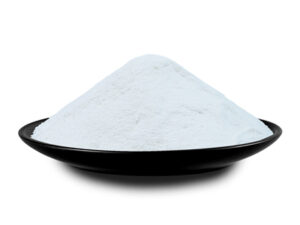
Can Sodium Tripolyphosphate Be Labeled As Phosphate
Sodium tripolyphosphate (STPP) is a widely used chemical in various industries, from detergents to food processing.
This article takes a deep dive into sodium triphosphate , and phosphate in food , aiding you comprehend just how these compounds are used, why they matter, and whether they are secure to eat . If you’re a health-conscious customer, someone with kidney illness , or simply interested about the scientific research behind phosphate additives , this overview is worth your time.
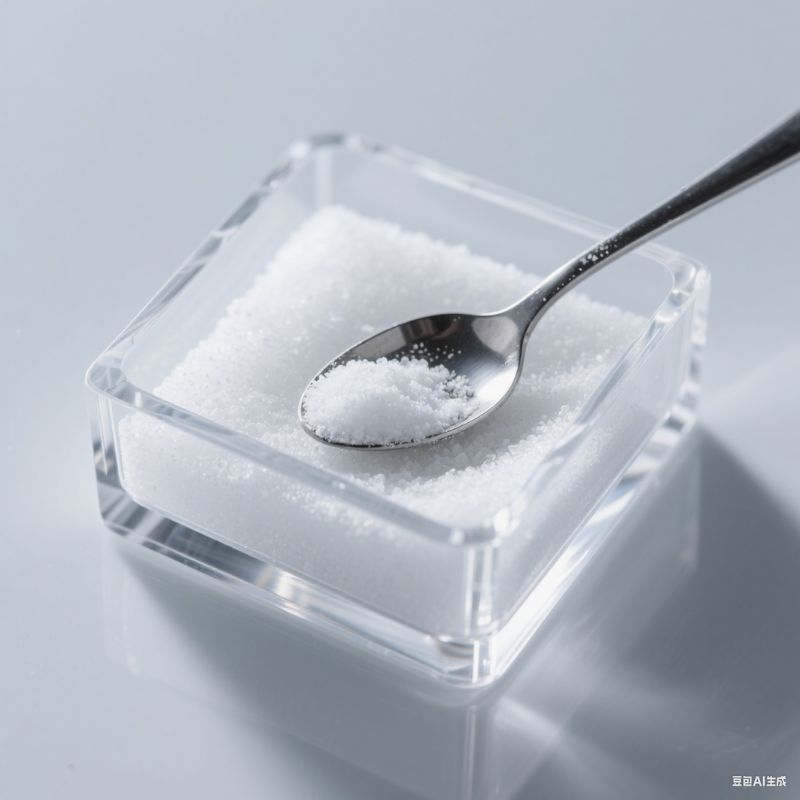
Sodium tripolyphosphate (STPP) is an inorganic compound, recognized chemically as Na ₅ P FOUR O ₁₀ . It is the sodium salt of the polyphosphate penta-anion and is commonly made use of in both food and cleaning agent industries. As a triphosphate , it belongs to the polyphosphate household, materials that contain several phosphate units linked with each other.
In food handling , salt tripolyphosphate acts as a preservative , wetness retainer , and emulsifier , helping to maintain foods tender, juicy, and shelf-stable. It likewise does vital chemical functions in chelation , binding steel cations such as calcium and magnesium to boost product stability and texture.
The food sector depends on STPP for its multifunctional buildings. In meat and seafood processing, it aids maintain dampness , prolonging shelf life and improving appearance. For instance, it’s often used in items like scallop , tinned tuna , and processed cheese .
STPP additionally works as a thickener and emulsifier , helping in the blending of oil and water , and preserving the right ph levels in foods. As a artificial additive , it enhances texture and avoids spoilage , making it a staple in readily ready products.
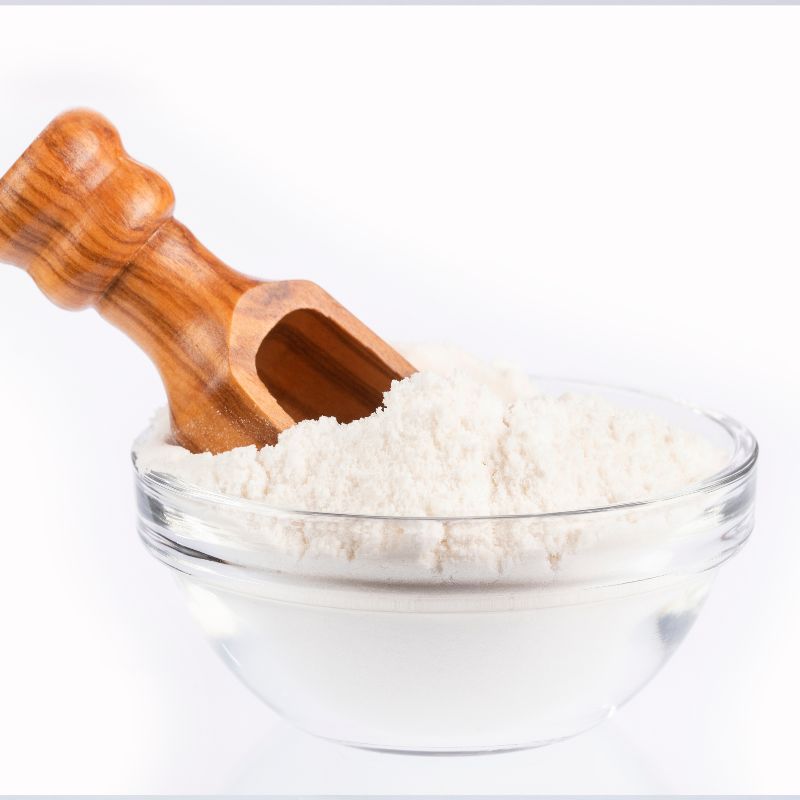
Yes, in managed quantities, sodium tripolyphosphate is taken into consideration risk-free . It is identified as risk-free and usually considered risk-free (GRAS) by the Fda (FDA) in the U.S. when made use of based on excellent production methods.
The FDA has assessed STPP as safe to take in , meaning its use in food does not pose a health and wellness danger for the basic population when consumed within advised restrictions. Nevertheless, too much phosphorus intake , particularly from phosphate additives , may be connected to an increased risk of specific problems, especially in at risk individuals.
Foods that contain salt phosphate consist of a wide variety of processed and fast food . These consist of:
These ingredients are usually contributed to foods to improve texture, look, and stability. Many of these items have pentasodium triphosphate , sodium triphosphate , or sodium hexametaphosphate , each playing somewhat various functional roles in food manufacturing.
Phosphate additives , specifically inorganic ones like STPP, are swiftly absorbed in the body. Unlike all-natural phosphorus from unprocessed foods , these ingredients do not need food digestion, leading to a quicker spike in product phosphate degrees.
High phosphate levels may disrupt calcium levels , bring about inequalities that affect bone health, cardio function, and hormonal agent guideline. In some individuals, this can lead to complications, particularly if they have underlying health problems.
Excessive intake of phosphate , specifically from phosphate included to refined foods, has actually been linked to an increased risk of coronary artery disease, hormonal agent disruption, and bone weakening.
Individuals with persistent kidney disease (CKD) are particularly at risk, as their kidneys can’t filter phosphorus properly. This might result in elevated phosphate and calcium deposits in capillary and organs, posturing significant health and wellness risks .
Moreover, recent clinical literary works suggests that high phosphorus consumption from phosphate ingredients might position a hazard even to healthy people over the long-term. Small amounts is crucial.
Yes, and the distinction is important. Natural phosphorus is found in unrefined foods … like dairy products, meats, and whole grains. It’s bound to proteins and soaked up a lot more slowly by the body.
In contrast, phosphate added through artificial additive like STPP and salt hexametaphosphate are not natural and soaked up virtually totally and swiftly. This distinction significantly affects the body’s phosphate levels and overall phosphorus consumption .
The Food and Drug Administration (FDA) has actually developed guidelines that permit using salt tripolyphosphate in details quantities. These restrictions are based upon researches and are designed to make sure that STPP remains safe by the FDA requirement for the general populace.
STPP is generally recognized as secure (GRAS) and authorized for use in multiple applications, including seafood, poultry, meats, and baked items. Nonetheless, makers have to follow specific dose restrictions and make sure labeling conformity to stay clear of deceptive customers.
Yes, options to STPP are offered and are progressively used in clean-label products. These include:.
Nevertheless, these options may not match the multifunctionality of triphosphate ingredients. STPP stays prominent as a result of its capability to maintain wetness , emulsify , and stabilize food at a reasonably low cost.
Individuals with persistent kidney illness (CKD) need to be especially cautious with phosphorus consumption , as their kidneys struggle to excrete excess phosphate . This makes the highly absorbable kinds in phosphate ingredients particularly hazardous.
Avoiding foods that are commercially prepared or high in phosphate included — like processed cheese , deli meats, and tinned seafood– is essential. Reviewing active ingredient tags for terms like sodium tripolyphosphate , pentasodium tripolyphosphate , or sodium hexametaphosphate can assist CKD people handle their health risks .
Nutritional experts frequently advise sticking to food-grade entire ingredients with minimal processing to lower consumption of polyphosphates and various other inorganic phosphates.
Sodium tripolyphosphate (STPP) is a widely used chemical in various industries, from detergents to food processing.
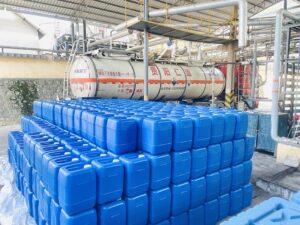
STPP (Sodium Tripolyphosphate) is a key detergent ingredient that enhances cleaning power by binding minerals, breaking down stains, and improving surfactant performance.

Sodium Tripolyphosphate: This guide explores challenges and opportunities under global environmental regulations, offering detergent manufacturers a roadmap for sustainable transformation.
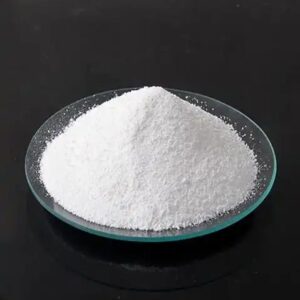
Sodium Tripolyphosphate (STPP) is a widely used sodium-based compound critical in various industries, from detergents and water treatment to food processing and pharmaceuticals.

This article examines how raw‑material purity, plant upgrades, and regulatory trends shape the global supply and capacity outlook for food‑grade sodium tripolyphosphate.
Sodium tripolyphosphate (STPP) is widely used as a food additive in processed foods—international authoritative organizations such as the FDA and WHO have recognized its safety. However, the Acceptable Daily Intake (ADI) standard must be followed, and consumers can make scientific choices by reading the ingredient list.
Sodium tripolyphosphate boosts food yield and texture but faces rising scrutiny over health and safety, prompting regulation and innovation across the industry.

Goway Fuquan has built a leading “central kitchen” for the deep processing of yellow phosphorus slag, transforming waste into valuable products. Through innovative approaches, the company is enhancing its green development initiatives, driving both environmental and economic growth.
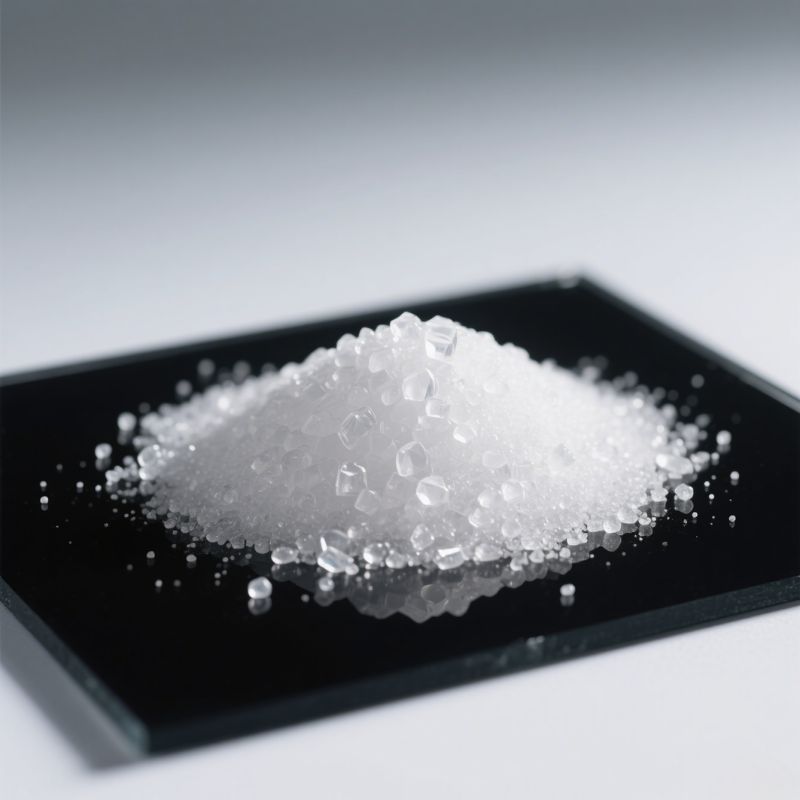
A professional and educational overview of tripolyphosphate (STPP), explaining its composition, manufacturing process, applications, safety profile, and sustainability trends.

This guide provides insights into the technological advances, regulatory frameworks, and cost factors affecting food and aquatic products, highlighting sustainability challenges and opportunities in 2025.
This guide covers the uses, benefits, risks, dosages, and health concerns of polyphosphates in food, with an overview of regulatory standards and emerging alternatives.