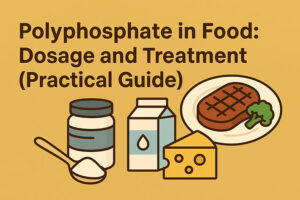
Polyphosphate in Food: Dosage and Treatment (Practical Guide).
Polyphosphates are typically used in the food sector for their capability to improve the texture, look, and service life of numerous items.

At the Goway Fuquan production facility, all production lines are operating at full capacity as workers efficiently produce and package various photochemical products. The company is making a strong push to fulfill production orders for the second quarter of the year.
In recent years, Fuquan City has actively developed a “mineralization integration” phosphate deep-processing industry through investment attraction. Leveraging its strengths, Goway signed an agreement with the Fuquan City Government in 2017 to invest in and construct the “mineralization integration” phosphate deep-processing project. The company primarily produces yellow phosphorus, phosphoric acid, phosphates, formic acid, and formate salts, contributing to the development of a sustainable green phosphate resource deep-processing circular economy.
The project spans approximately 450 acres, with a total investment of 800 million RMB, and is being developed in two phases. Phase I of the project was successfully completed and operations began in 2019. Phase II construction was completed and started production in July 2022. Currently, the company’s production capacity includes 50,000 tons/year of yellow phosphorus, 90,000 tons/year of industrial phosphoric acid, 50,000 tons/year of sodium tripolyphosphate (STPP), 20,000 tons/year of sodium hexametaphosphate, 5,000 tons/year of trisodium phosphate, 200,000 tons/year of phosphate slag powder, and 50,000 tons/year of high-activity calcium oxide.
The products manufactured at the Fuquan plant are primarily sold across China and exported to markets in Europe, the Americas, Africa, and Southeast Asia, reinforcing Goway’s position as a key player in the global photochemical industry.
GOWAY INTERNATIONAL MATERIAL CO., LTD is a National High-Tech Enterprise specializing in industrial-grade sodium tripolyphosphate (STPP). With over 20 years of expertise, a state-of-the-art, fully automated manufacturing facility in Guizhou, China, and a strong global presence, GOWAY is committed to delivering high-quality, eco-friendly STPP products to customers worldwide.
For more information, please visit our official website: https://sodiumtripolyphosphate.com/

Polyphosphates are typically used in the food sector for their capability to improve the texture, look, and service life of numerous items.
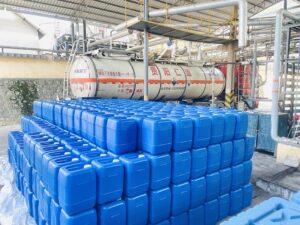
Sodium tripolyphosphate (STPP) is a multifunctional additive: it preserves moisture in seafood, prevents spoilage in processed meats, and boosts detergent efficiency. Is it safe? Find out here.
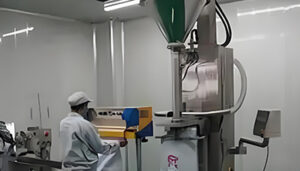
February 11, 2018, Fuquan, Guizhou – GOWAY INTERNATIONAL MATERIAL CO., LTD (GOWAY) has successfully established a strong supply chain and distribution network in Southeast Asia, the Middle East, and Europe, further expanding its global market share for sodium tripolyphosphate (STPP).
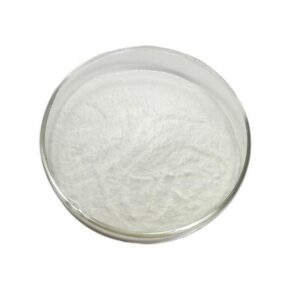
Sodium Tripolyphosphate (STPP) serves as a versatile water softener and preservative with applications across food processing and detergent manufacturing industries.
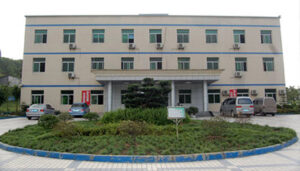
The Guguye Phosphate Production Base in Guizhou, China, utilizes local phosphate resources to produce chemicals like yellow phosphorus and STPP. Committed to sustainability, it aims for zero wastewater discharge and a circular economy model.
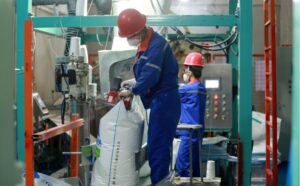
Goway Fuquan Plant is ramping up production to meet the demands of the second quarter’s orders. With all production lines running at full capacity, the company is focused on delivering high-quality phosphate-based products to domestic and international markets.
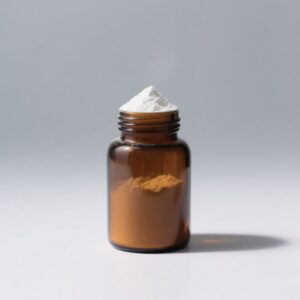
Overview of Sodium Tripolyphosphate (STPP) in Food Applications
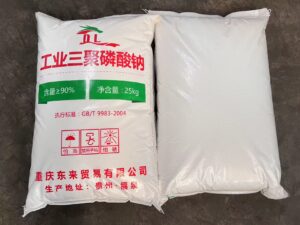
Sodium Tripolyphosphate: Learn how its synergistic effects with other auxiliaries improve detergent performance and sustainability in this in-depth analysis.
WhatsApp us